Luxury’s Old Playbook Is Running Out of Road, Warns IMD’s Stéphane Girod
Three decades of expansion were built on a tripling of the global economy. IMD’s Stéphane Girod argues that engine will not return at the same pace, and that brands mistaking the slowdown for a cycle are misreading their situation
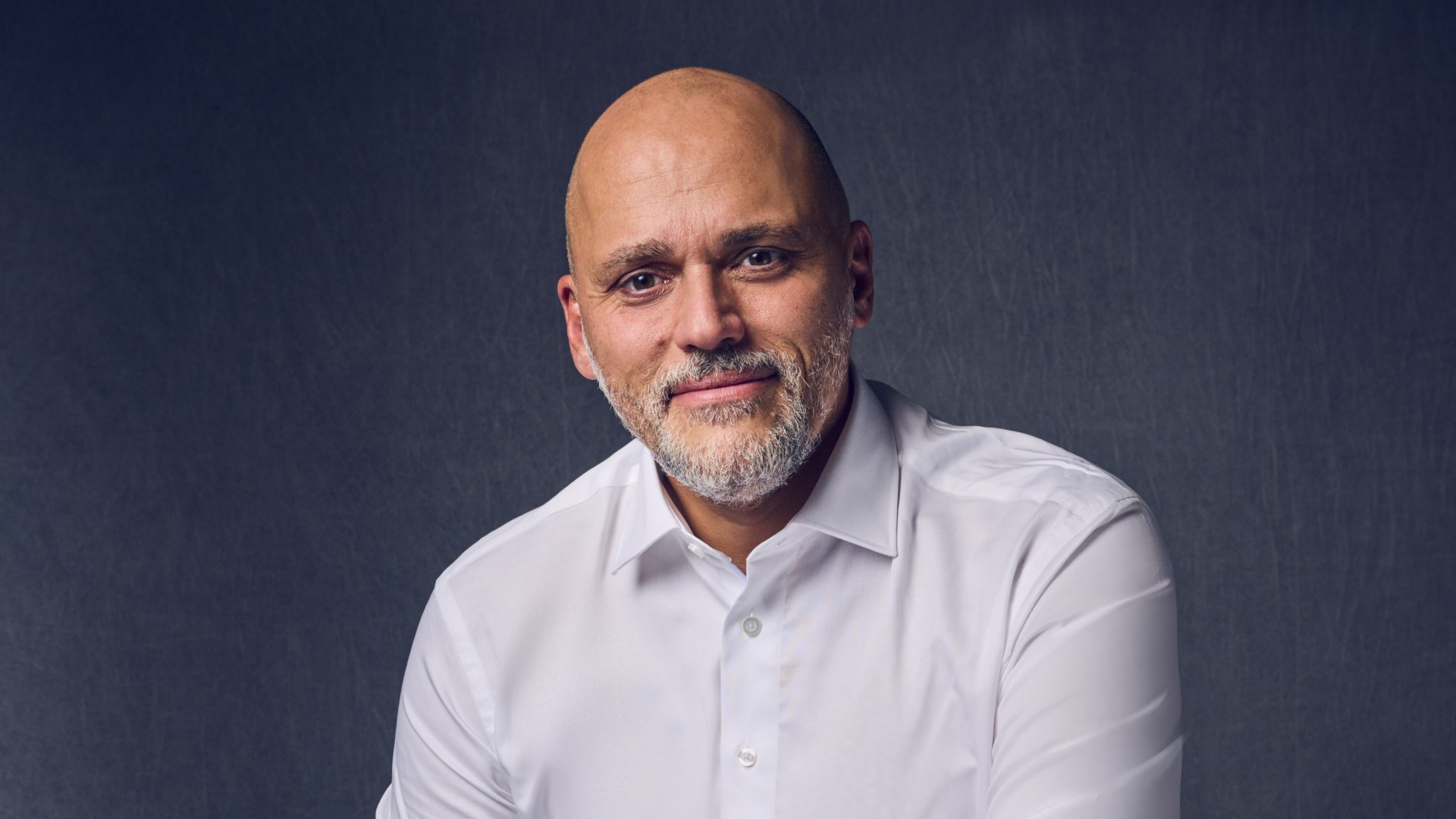
Professor Stéphane Girod does not deal in reassurance. A strategy and organisational innovation specialist at IMD in Lausanne, he has spent years studying how large businesses adapt, or fail to, when the conditions that made them successful no longer apply.
In this conversation with Robin Swithinbank and David Sadigh on The Luxury Society Podcast, he argues that the luxury industry is approaching several structural rupture points at once, and that the strategic responses most brands have defaulted to are no longer sufficient.
The Growth Engine Has Structurally Changed
The contemporary luxury playbook, built on democratisation, mass production, artificial rarity, controlled retail and global marketing at scale, was constructed during a period of extraordinary economic expansion. Girod points to the scale of that expansion as the foundation of the industry’s growth: “It’s in fact because of globalisation. The world’s GDP is three times bigger than what it was in the ’90s.”
Girod’s argument is that this engine is now sputtering. Globalisation has been disrupted by geopolitical friction, social polarisation is widening, and the cultural authority that underpinned the country-of-origin premium for Swiss, French and Italian goods is quietly eroding as rival centres of technological and industrial confidence emerge.
Nowhere is the shift clearer than in China, where, contrary to a common assumption, the luxury market is not simply declining. According to Bain & Company’s 2025 China Personal Luxury Goods Market report, the mainland market contracted 3 to 5 percent in 2025, a marked easing after a 17 to 19 percent slide in 2024, with domestic brands capturing a growing share by appealing to cultural connection and local preference. Western labels, in Girod’s words, are not losing to a shrinking market; they are losing to a more confident one. “It’s completely untrue to say that the luxury market in China is declining. It is declining for Western brands,” he says. “Emerging local brands are growing and taking market share from a slower-growing market.” The implication, in his reading, is structural rather than cyclical: growth rates of the past three decades are unlikely to return, and the conglomerate model built around them will face sustained pressure as a result.
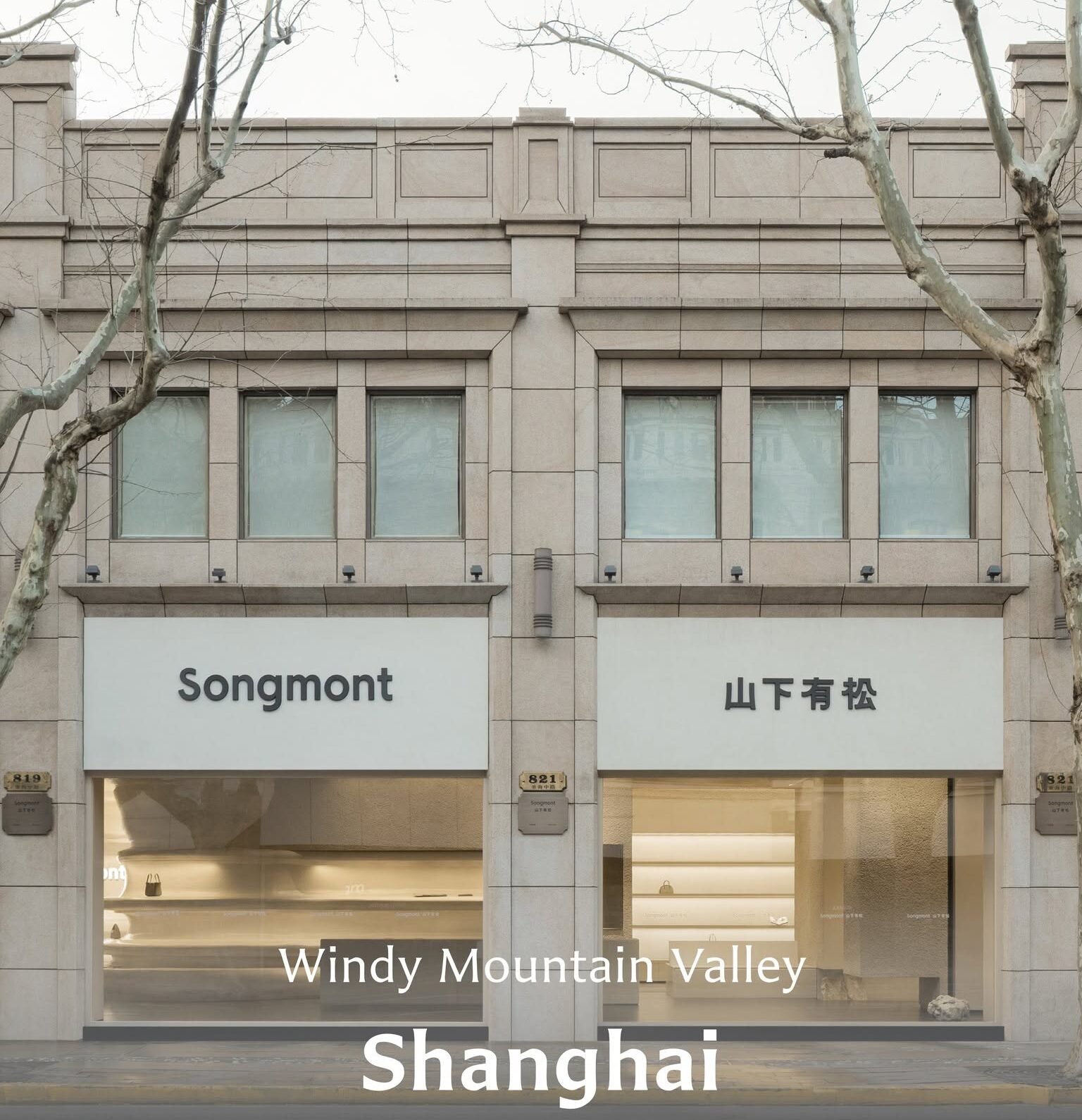
Songmont Store on Huaihai road in Shanghai Credit: Songmont
Rebuild Luxury Value
Girod is equally direct on the question of value perception. Post-pandemic price increases, applied broadly and without corresponding gains in functional value, have damaged consumer trust in ways that heritage positioning alone cannot repair. Last year’s edition of the Bain and Altagamma Luxury Study revealed that the active consumer base for personal luxury goods contracted for a second consecutive year, down by an estimated 20 million people in 2025 alone – a pattern Girod attributes directly to the erosion of perceived value.
“What has also sapped a little bit the credibility of luxury brands in the last four years have been these incredible price hikes for no additional perceived value,” he opines.
Fashion houses, in his account, have compounded the problem by quietly prioritising higher-margin accessories over wearable clothing, hollowing out the proposition that once justified their cultural standing. “Gradually these companies, for financial reasons, have realised they are better off to sell accessories, which are much higher margin than clothes,” he explains. “So little by little, that clothing environment has stopped being their priority, and they’re losing that factor where they could be attractive”
His prescription is unglamorous: a return to functional value, quality, wearability, repairability and honest pricing. He points to Kering’s decision to recruit Luca de Meo, formerly chief executive of Renault, as its new group chief executive, as evidence of how far some houses have drifted from their own fundamentals.
De Meo took up the role in September 2025 following a period in which Kering’s flagship brand Gucci saw sales fall sharply and the group’s operating margin contracted.. “I’m actually baffled that Kering had to hire a CEO from Renault, from the automobile industry, to fix basic problems such as wearability, cut, quality, and making clothes that people can wear normally in different moments,” Girod says. “It’s not rocket science to do that. This is the DNA of a luxury brand.”
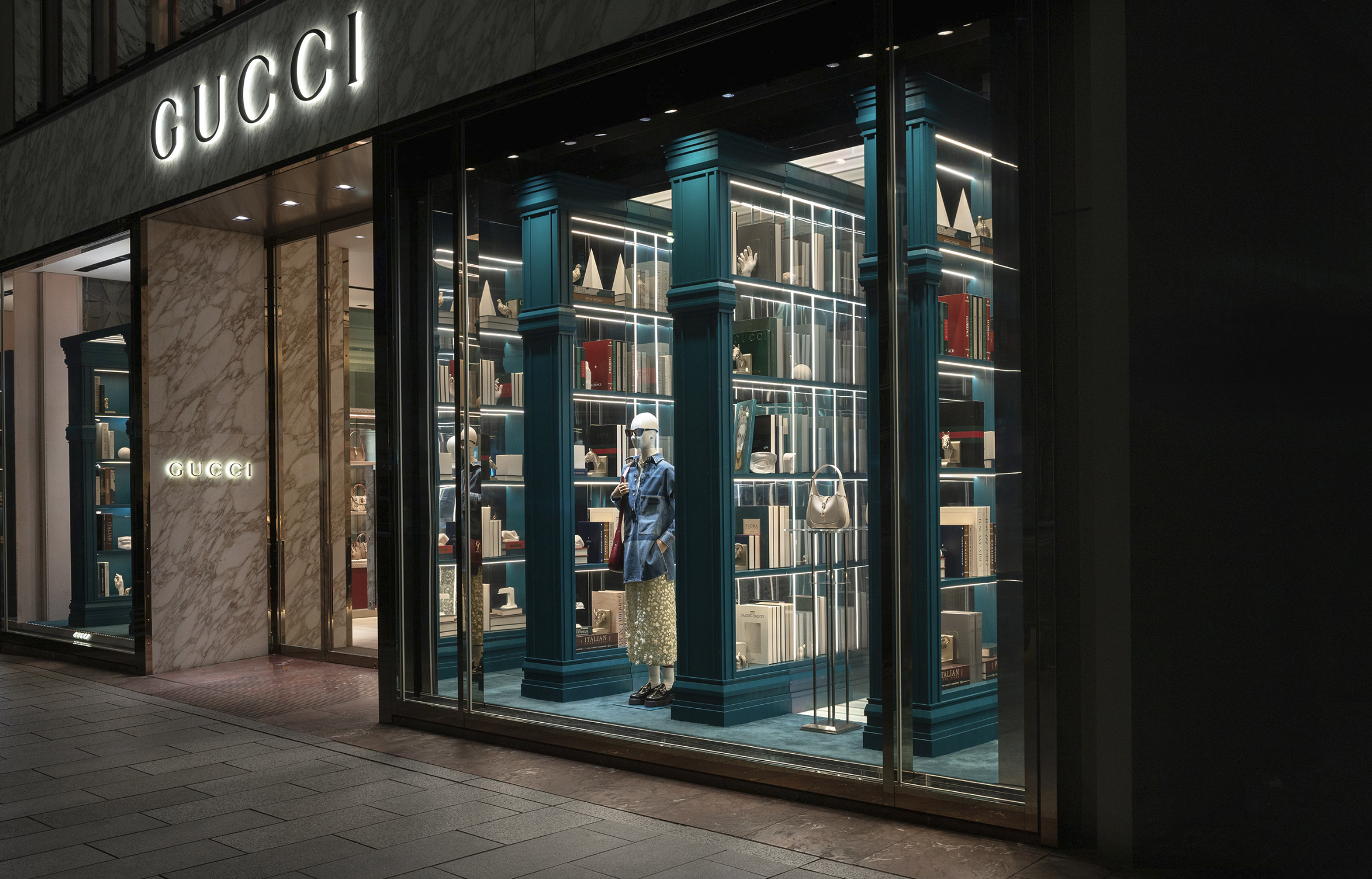
Gucci store in Tokyo Credit: Gucci
Agility Is an Organisational Choice, Not a Market Condition
Girod’s third argument is that agility is something brands choose to build, not a condition the market imposes on them. The industry’s preference for top-down hierarchy and perfection over experimentation, in his account, is producing both a talent deficit and a capacity gap that will matter more as conditions shift. He is careful to define the term. “It doesn’t mean to change all the time, and it doesn’t mean to be fast,” he says. “What it means, rather, is that in this type of world, you want to give yourselves options and room to manoeuvre if your circumstances change.”On artificial intelligence, he sees real potential in pricing, personalisation and demand modelling, but the sector’s caution carries a cost: McKinsey and the Business of Fashion’s State of Fashion 2026 report found that roughly 90 percent of AI projects across the fashion and luxury industry remain stalled at the pilot phase, even as frontrunners push into production.
Girod links this hesitancy to a quieter structural problem, a drift of digital talent away from the major groups. “Many of my friends have moved away from various luxury groups because this is not where the innovation is,” he says. “But it’s a conscious decision by luxury leaders that we should shop in their stores.”
The brands that invest now in learning, empowerment and digital capability, in his assessment, will be the ones structurally better placed once market conditions improve, a shift from a culture of perfection to one of excellence, more curious, more empowering, and more genuinely oriented toward future-looking innovation than toward the management of inherited icons.
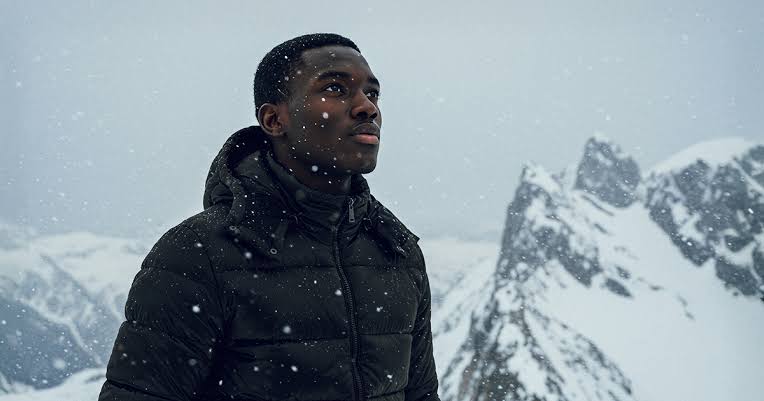
Moncler’s “From the Mountains to the City” Campaign Powered by AI Credit: Moncler
Girod’s reasons for optimism are real but precisely qualified. New entrants, in Chinese luxury, in independent European watchmaking, in purpose-led fashion, are building leaner, more honest businesses from the outset. The established players still hold the scale, the heritage and the distribution networks that took decades to assemble. What they need, in Girod’s closing assessment, is the willingness to step outside the comfort zone that their own past success built around them.
Subscribe to The Luxury Society Podcast to receive notifications about new episodes featuring luxury industry leaders. Never miss an episode as we continue exploring the themes shaping the future of luxury.
Lydianne is a seasoned marketing and communications professional with over a decade of experience in the luxury industry. Having spent six years in Shanghai, she also has a deep understanding of China’s evolving luxury landscape. Currently Global Marketing & Communications Director at DLG, she previously led marketing efforts for DLG China. Before that, she honed her editorial expertise at Prestige in Singapore and later as China Editor of Luxury Society.
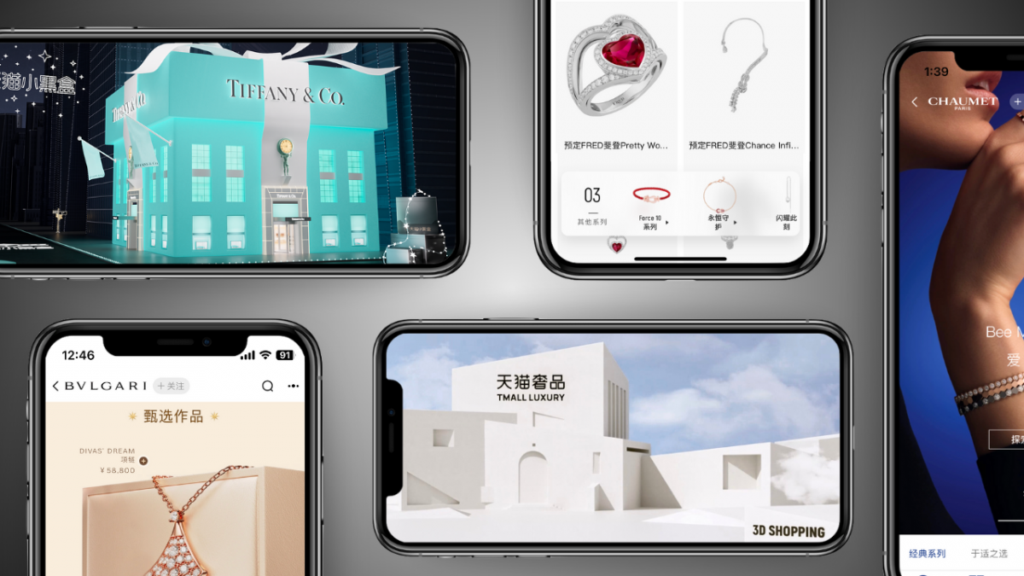
The newly released WeChat Luxury Index examines how high-end and luxury brands achieve marketing or business objectives on WeChat. The report also showcases a ranking of these brands, evaluating whether their offerings and services on WeChat are developed enough to meet the sophisticated demands of today’s consumers.
In an exclusive interview for The Luxury Society Podcast’s inaugural episode, TAG Heuer CEO Antoine Pin reveals how the brand’s historic return to Formula 1 aims to conquer new markets, seduce younger consumers, and win the ultimate battle: The one for our wrists.
At Geneva Watch Days, Bulgari’s watch managing director weighs a shrinking unit count against resilient export value, and sets out how creativity, women buyers and a disciplined reading of the secondary market could restore the balance.
At a Geneva Watch Days panel on generative engine optimisation and desirability, DLG’s Senior Advisor Antonio Carriero argued that artificial intelligence cannot originate desire, only mediate it. He explains why GEO should be treated as hygiene rather than strategy, and why the brands that win by 2030 will be both machine-legible and unmistakably human.
John Shmerler, chief executive of The 1916 Company, argues that Rolex’s Certified Pre-Owned programme has reset consumer trust in resale watches, and that the industry’s true blind spot remains what happens after the sale, not before it.