Cyrille Vigneron: The Luxury Industry Is Waiting for a Recovery That Isn’t Coming
Cartier’s former chief executive, now chairman of culture and philanthropy, on why the past six years bear no resemblance to the sector’s previous downturns, and why some brands are mistaking a lasting cultural shift for a cycle waiting to turn.
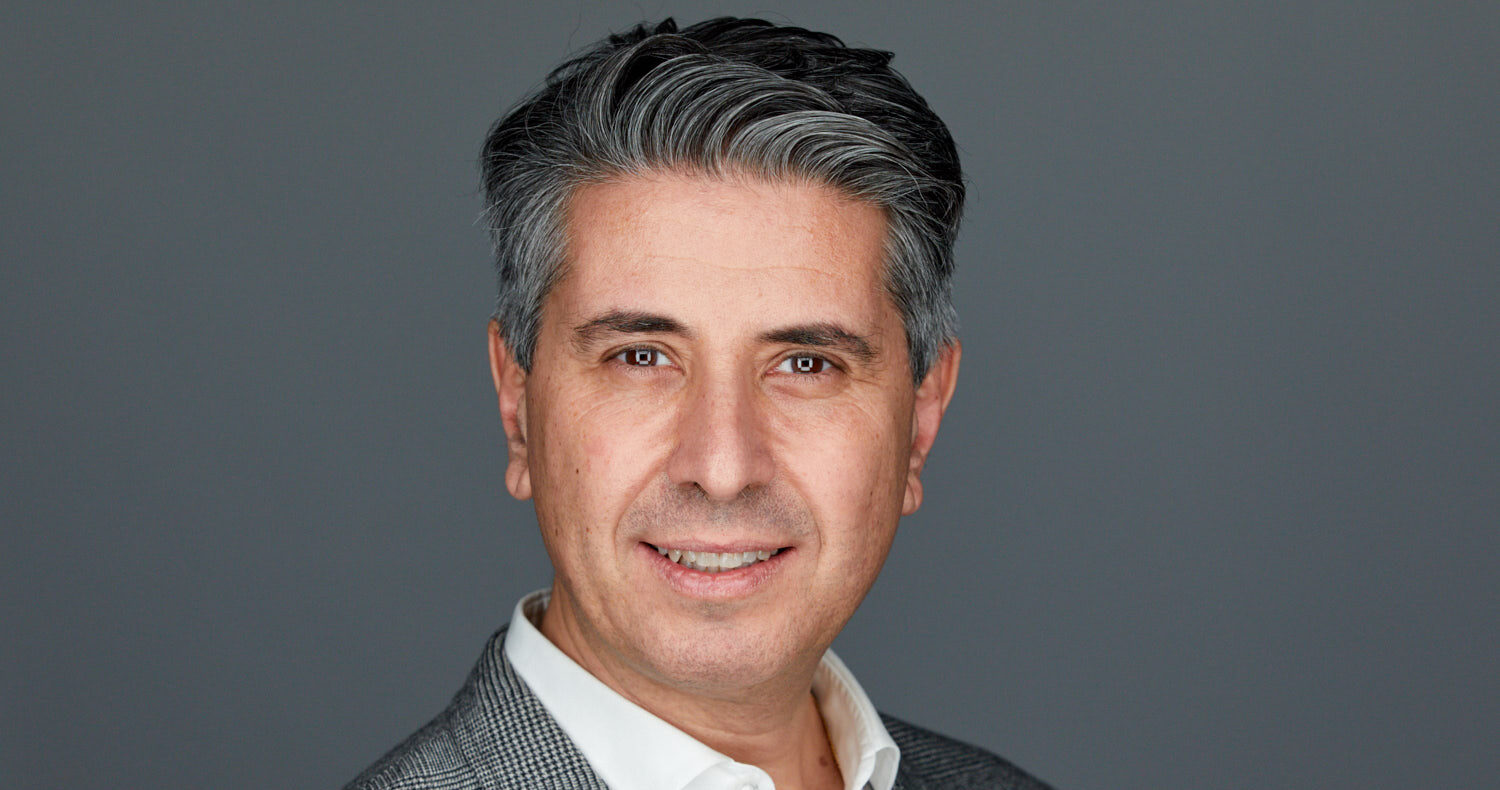
Cyrille Vigneron spent almost a decade as president and chief executive of Cartier, presiding over one of the more closely watched turnarounds in recent watchmaking history, before stepping into his current role as the maison’s chairman of culture and philanthropy.
Speaking to Robin Swithinbank and David Sadigh on The Luxury Society Podcast, he sets out why he believes the industry has misdiagnosed its own condition: what looks like a downturn awaiting recovery is, in his reading, a cultural shift with no obvious end date. His argument is structural rather than cyclical, and it draws as much on what he got wrong at Cartier as on what he got right.
A Cultural Shift, and Not a Crisis
Luxury has weathered sharp corrections before: the dot-com crash and September 11 attacks in 2001, the SARS outbreak in 2003, the 2008 Lehman Brothers financial crisis. Each hit the sector hard, and each time it returned to growth within six to twelve months. What has followed COVID, Vigneron argues, is different in kind. Six years on, with no comparable shock to point to, the sector remains split: some brands have done consistently well, others are still waiting for conditions to turn.
“If it’s not an economic shock, it means it’s more a cultural shift,” Vigneron says. “We cannot talk about the expectation of a sector recovery, but we have to understand that the changes that are happening are of a different nature.”
The data lends weight to that diagnosis. According to the Bain-Altagamma Luxury Goods Worldwide Market Study, brand performance in 2025 remained highly polarised, with only 40% to 45% of brands reporting positive revenue growth, against 95% in 2022 and 65% in 2023. The personal luxury goods market itself came in at €358 billion in 2025, down from €364 billion the year before.
Vigneron’s reading of the shift is behavioural: consumers have moved from buying things to doing things, favouring travel, live events and physical encounters that digital life cannot replicate. Bain describes this as a pivot toward wellness, connection and reward, with luxury experiences continuing to outpace tangible goods.
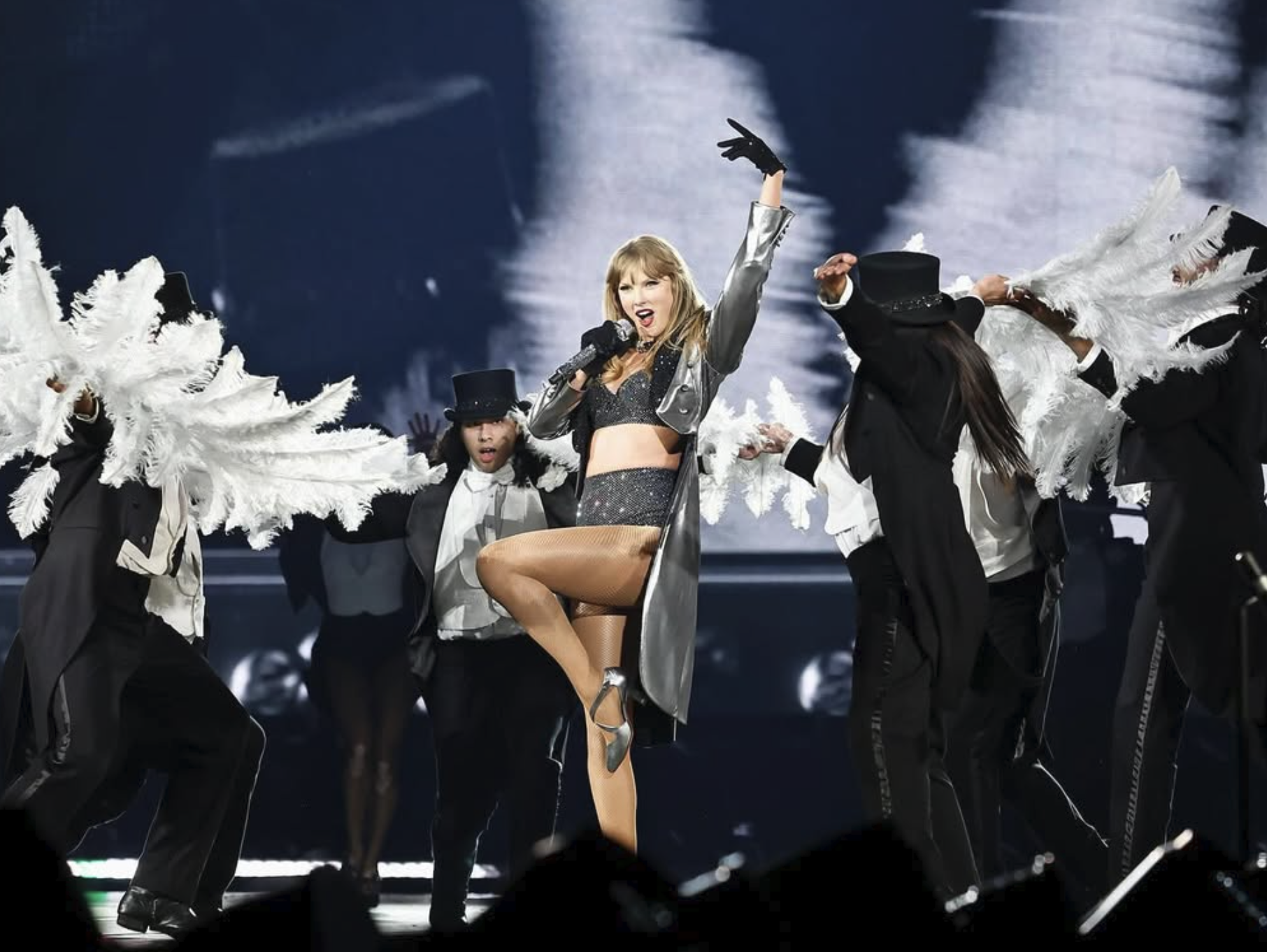
That pivot is visible well beyond the luxury sector’s own figures. Global live music ticket revenue surpassed $40 billion in 2025, according to Omdia, driven by record-breaking stadium tours and rising demand for premium live experiences, with four of the eight highest-grossing tours in history including concert dates during the year — the kind of sold-out runs, from Taylor Swift and Bruce Springsteen to Céline Dion, that Vigneron points to as evidence of the shift.
For brands still selling physical products, he argues, the task is not to defend against this shift but to understand it: to give their objects the kind of meaning that justifies their place in a life increasingly organised around experience rather than accumulation.
Taylor Swift’s Eras Tour in Canada Credit: Taylor Swift
Identity, Authenticity and the Cost of Trying to Be Someone Else
The clearest illustration Vigneron offers is his own. When he returned to Cartier in 2016, he found a sustained effort to build a masculine fine watchmaking proposition, larger, sportier, more technically complex watches aimed at men, that had produced the opposite of its intended effect.
“One of the first things was to have everyone recognise that it had failed, and it had to be repositioned,” he says.
The difficulty, he explains, was less the failure itself than the conviction behind it: “The most difficult is often when you have convictions that have been there for a long time, then you don’t want to reconsider them, and you tend to think that if you invest more and more, it will work in the end.”
The unwinding meant abandoning watches designed specifically to appeal to men and returning to the aesthetic and elegance that had defined the house. The result, by his account, ran counter to what conventional wisdom about a 70% masculine, 30% feminine watch market would predict. Cartier sold more to men, not fewer, once it stopped trying to be masculine. “So being true to who we were in some way was more right than trying to be someone else,” he says.
For Vigneron, that conviction extends past the product itself. Brands that sell only through conventional retail, with no direct contact with their clients, are missing something important, he argues — expressing identity credibly means giving people a way to encounter it directly, not only through the object or its advertising.
The 2025 Cartier exhibition at the V&A in London — the first major UK exhibition dedicated to the house in almost three decades — drew 400,000 visitors, evidence, in Vigneron’s view, of what direct engagement can do that advertising alone cannot.
Cartier exhibition at the V&A in London Credit: Cartier
The same logic, he says, extends beyond watches or exhibitions, to how a heritage brand speaks to a new generation at all. “Modernity is not to do something new, but to have a modern look on old things, or a fresh look on things which were not new,” he says. Rather than developing products aimed specifically at younger buyers, Cartier applied a contemporary sensibility to what already existed — an approach he credits with making the brand “much more vibrant and much more appreciated by young people” without changing what it made.
The Right Way to Use AI
Vigneron takes a similarly contrarian view of the industry’s biggest current anxiety: artificial intelligence. Where Professor Stéphane Girod of IMD, in an earlier episode of the podcast, forecast job losses in luxury manufacturing as AI adoption spreads, Vigneron disagrees.
His reasoning rests on two claims: that demand for craft and human finish is structural rather than sentimental, since over-industrialised products lose value, and that AI’s real utility lies in managing complexity at a scale human judgement alone cannot.
Cartier’s own operations illustrate the second point. Just 4% of the maison’s products sell more than once per store per year, leaving 96% as low-frequency items, a level of granularity that makes forecasting demand, sizing limited editions correctly and avoiding both scarcity-driven frustration and oversupply-driven dilution close to impossible without systematic support.
“AI, if it’s done properly, will improve creativity and will improve the attention that can be given to every single operation,” Vigneron says. “For high-level luxury, you have to do something which is épicerie fine at scale so that every customer feels treated personally, in an environment where, in fact, you have millions of people coming into the stores and millions of transactions.”
His forecast splits the industry in two: “Those who are using AI and will use AI in the good way will continue to grow faster. Those who are not using it properly will just make their brand more banal.”
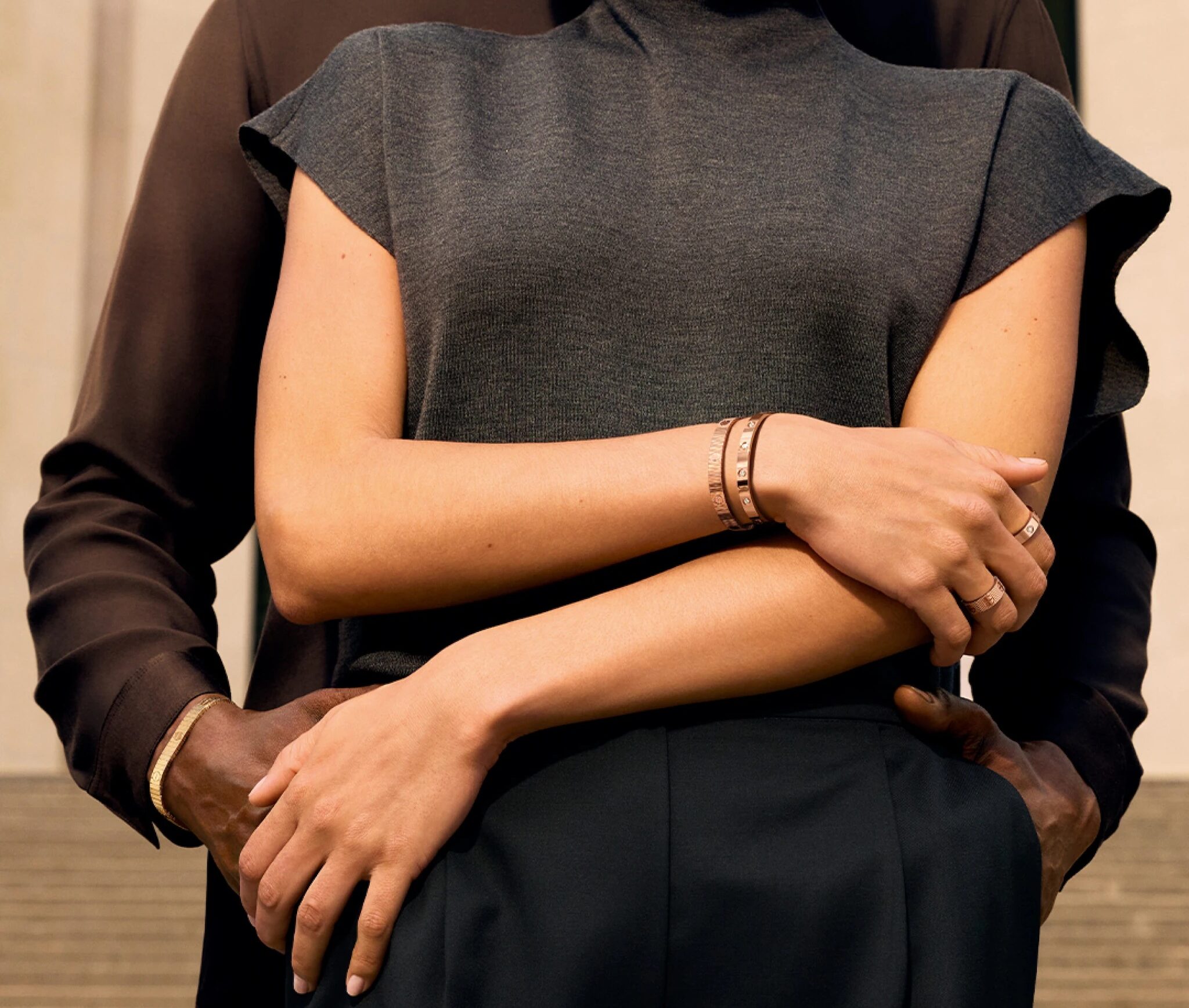
Cartier’s iconic Love collection Credit: Cartier
That confidence rests on a wider premise: for Vigneron, the demand luxury brands are competing over is still expanding, not shrinking. “Growth in luxury has not come from a small number of people. It has come from the expanding wealth in the entire world,” he says. It’s a reminder that the polarisation splitting the sector isn’t a sign growth has stalled — it’s a question of which brands are positioned to capture it.
Subscribe to The Luxury Society Podcast to receive notifications about new episodes featuring luxury industry leaders. Never miss an episode as we continue exploring the themes shaping the future of luxury.
Lydianne is a seasoned marketing and communications professional with over a decade of experience in the luxury industry. Having spent six years in Shanghai, she also has a deep understanding of China’s evolving luxury landscape. Currently Global Marketing & Communications Director at DLG, she previously led marketing efforts for DLG China. Before that, she honed her editorial expertise at Prestige in Singapore and later as China Editor of Luxury Society.
The newly released WeChat Luxury Index examines how high-end and luxury brands achieve marketing or business objectives on WeChat. The report also showcases a ranking of these brands, evaluating whether their offerings and services on WeChat are developed enough to meet the sophisticated demands of today’s consumers.
In an exclusive interview for The Luxury Society Podcast’s inaugural episode, TAG Heuer CEO Antoine Pin reveals how the brand’s historic return to Formula 1 aims to conquer new markets, seduce younger consumers, and win the ultimate battle: The one for our wrists.
At a Geneva Watch Days panel on generative engine optimisation and desirability, DLG’s Senior Advisor Antonio Carriero argued that artificial intelligence cannot originate desire, only mediate it. He explains why GEO should be treated as hygiene rather than strategy, and why the brands that win by 2030 will be both machine-legible and unmistakably human.
John Shmerler, chief executive of The 1916 Company, argues that Rolex’s Certified Pre-Owned programme has reset consumer trust in resale watches, and that the industry’s true blind spot remains what happens after the sale, not before it.
Three decades of expansion were built on a tripling of the global economy. IMD’s Stéphane Girod argues that engine will not return at the same pace, and that brands mistaking the slowdown for a cycle are misreading their situation