At the turn of the century, the pre-owned watch trade was largely conducted behind closed doors. Stories circulated of suitcases of watches crossing Europe in the back of a car, and buyers had little more than the seller’s word on provenance and condition. A quarter of a century later, the category has been rebuilt around authentication, warranties and data, and its scale reflects the change. As EveryWatch estimated, the global secondary watch market recorded $10.5 billion during the first half of 2026, representing a 37.2% increase over the same period in 2025.
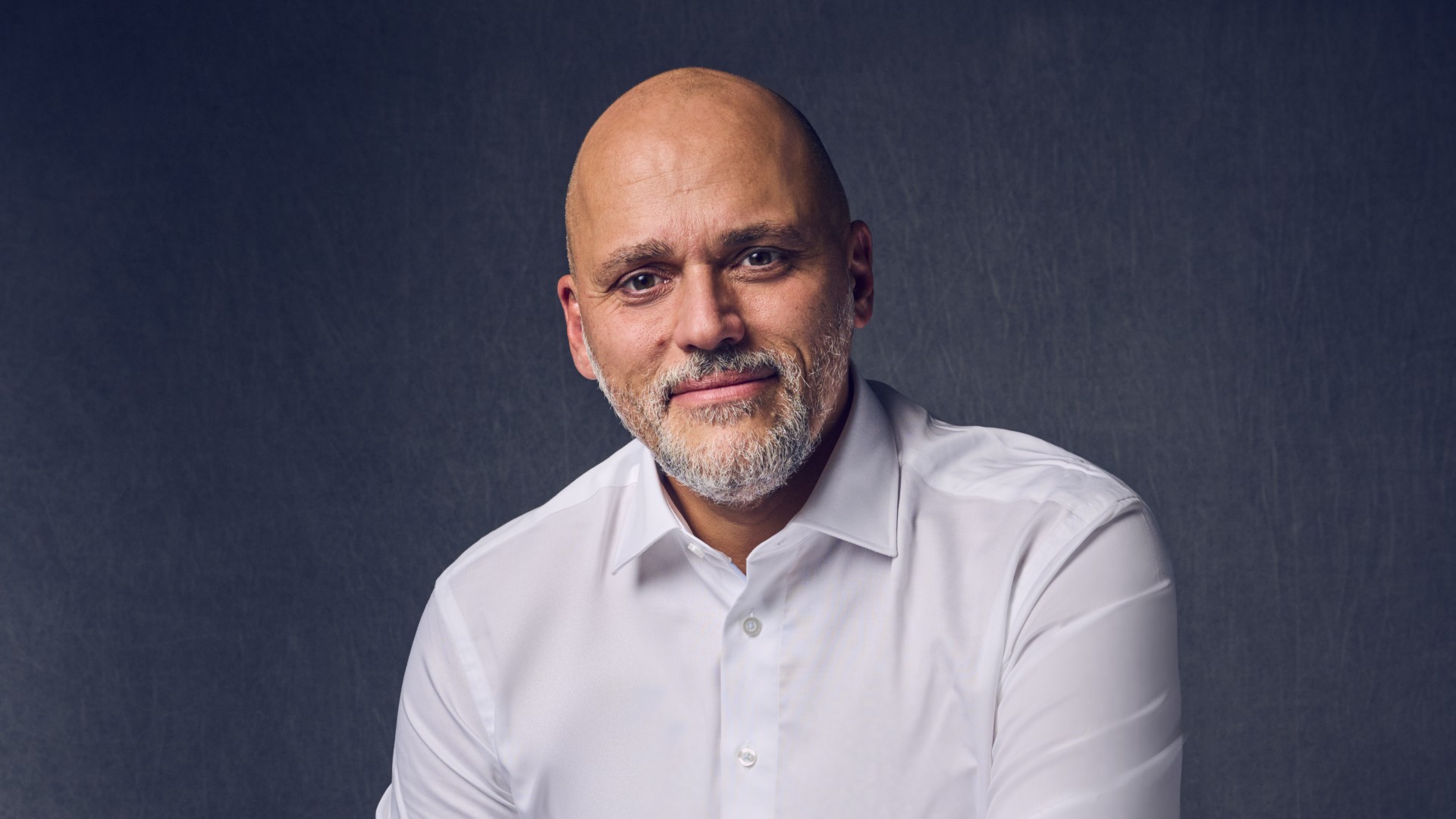
Chrono24 has spent more than two decades helping to bring that trade online. Its chief executive, José Gaztelu, joined the Karlsruhe-based marketplace in July 2025 as chief growth officer and was promoted to CEO in May 2026, after a career that began at McKinsey and took in the scaling of digital platforms including Nextdoor, Houzz and Zalora. Speaking to Robin Swithinbank and DLG’s David Sadigh on The Luxury Society Podcast, he set out his position plainly: “I definitely don’t see a limit or a cap right now to where the secondary market can go.”
Building a market on trust
Chrono24 is a marketplace rather than a retailer. Dealers pay a listing fee and a transaction fee in return for exposure, while private sellers pay a flat fee per sale. Its buyers range from specialists searching by reference to newcomers still working out what they want. According to Gaztelu, buyers are typically over 40 and skew male, although the number of female and younger buyers is rising.
By Gaztelu’s count, around 700,000 watches are live on the platform, but he places more weight on depth of selection than on the headline figure: “it’s really not about the number. It’s really about expanding the selection.” A recent search of his own for a specific 1991 Audemars Piguet showed why. Each filter for location, condition, papers and bezel narrowed the field, and 700,000 live listings counted for little if none was the exact watch he wanted.
Depth also supports liquidity. EveryWatch found that 2025 growth was driven by liquidity rather than price, with transaction volume and time-to-sell replacing speculative appreciation as measures of demand. Chrono24 helps dealers decide where to invest, since, as dealers say, the money is made on the buy.
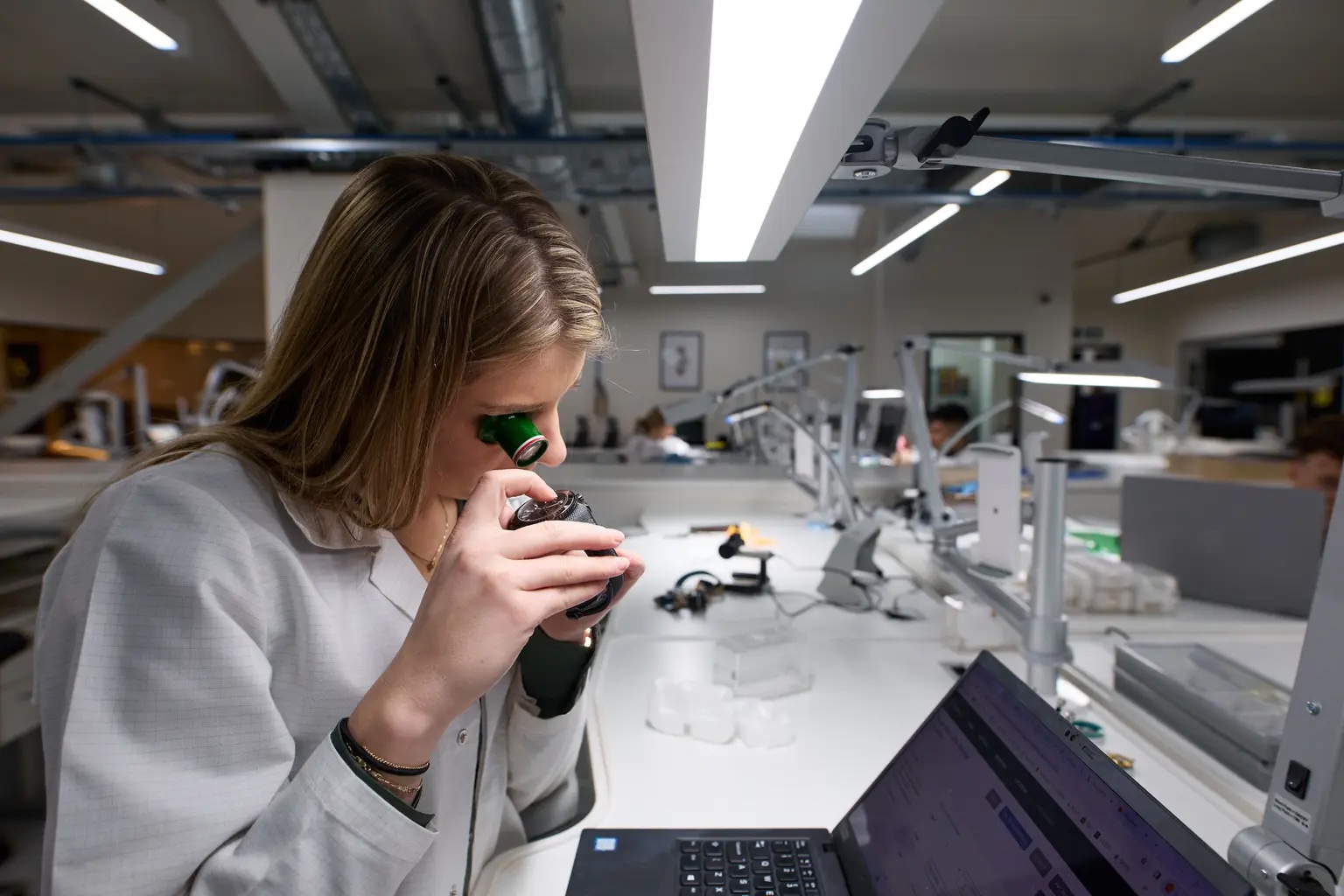
Chrono24 Certification Center Credit: Chrono24
Trust underpins all of it. “I think consumers now are choosing to go to secondary market sources like Chrono24 because they can find broad selection, great prices and trust,” Gaztelu says. “As such, buyers have come to trust the secondary market more and more, so much that today the line between primary and secondary has begun to blur.”
Dealers go through a rigorous KYC process and buyers using the trusted checkout are covered by 14 days of escrow. Private listings undergo automated and AI-driven authentication, buyers can add Chrono Certified inspection, and dealers may self-certify only after checks that include video calls of their facilities. On fakes, he is clear: “we have a zero tolerance towards counterfeit watches.”
When brands become resellers
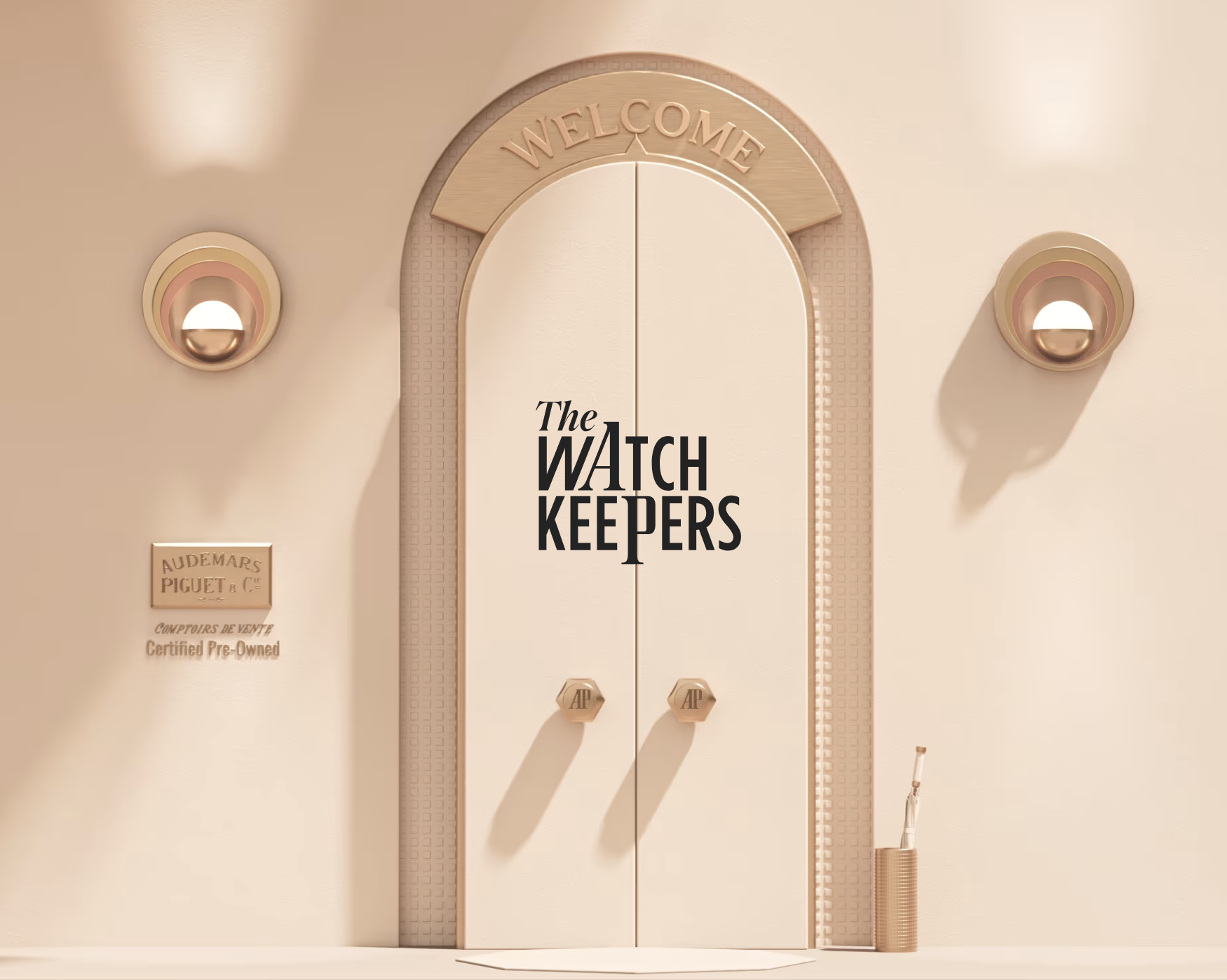
Brands are now selling pre-owned ones themselves. Rolex Certified Pre-Owned, launched in December 2022, generated an estimated $229 million in the third quarter of 2026, up 61% year on year, according to Morgan Stanley and WatchCharts. Audemars Piguet followed on 26 October with The Watch Keepers, an online platform open in Switzerland and the rest of Europe, where watches remain the seller’s property until sold.
The Watch Keepers by Audemars Piguet Credit: Audemars Piguet
Gaztelu welcomes brands’ move into the niche. “For me, it’s actually a really healthy thing,” he says. “I think it means that primary market brands are looking at secondary and pre-owned and they’re legitimising the category.” The dynamics differ by brand, though: Rolex has “incredible primary market strength” and a price gap over the secondary market it can lean on, while others are still deciding.He has held 20 to 25 conversations with brands on the subject in six months, he says, and does not think “everybody’s figured out exactly what they want to do.” Chrono24 would be open to hosting brands’ certified programmes, which he calls “a very natural thing”.
Brands are watching closely because, in his telling, the secondary market doubles as a report card. “Their trading value in the secondary market is a leading indicator for their brand strength,” he says, relaying what he hears from them, and a sign how well they have judged demand. When prices diverge, the reaction is visceral: “I can’t be putting out something in the market for 15 and it’s selling three days later for 12 somewhere else.” Distribution is the first thing brands examine, he adds.
Yet he suspects brands use the data narrowly, chiefly to track price deviation. With so many houses returning to their archives, resale activity could inform re-editions. “There’s a lot to learn from secondary market trading,” he says.
AI as guide, not tastemaker
The conversation turns to AI. Asked whether shopping agents will be buying and selling watches on Chrono24 within 12 to 24 months. Gaztelu, who runs a set of agents of his own at home, expects the first impact to be elsewhere: learning and discovery.
Watches are “a very deep category”, he says, and even know that questions to ask is “really overwhelming for a lot of people”. AI can help with the first steps, from “even having a sense of what it is that I want” to what a good value looks like and what the options are.
Purchasing is another matter. “Do you trust a Grok agent with $15,000 to buy on your behalf?” he asks. A Bain & Company survey of more than 2,000 US consumers, conducted in March 2025, found that only 24% would be comfortable using AI to complete a purchase.
Nor does he see AI setting taste. “Ultimately people develop their own taste,” he says; at most, and AI that knows you well might reinforce it. He points to his own experience: after coming across a vintage Rolex Explorer with a “frog foot” dial, he asked AI why one example cost so much more than another, and did not come away biased, he says, because he was “driving the conversation.”“Desirability should be something that lives with the watch buyer,”he claims.
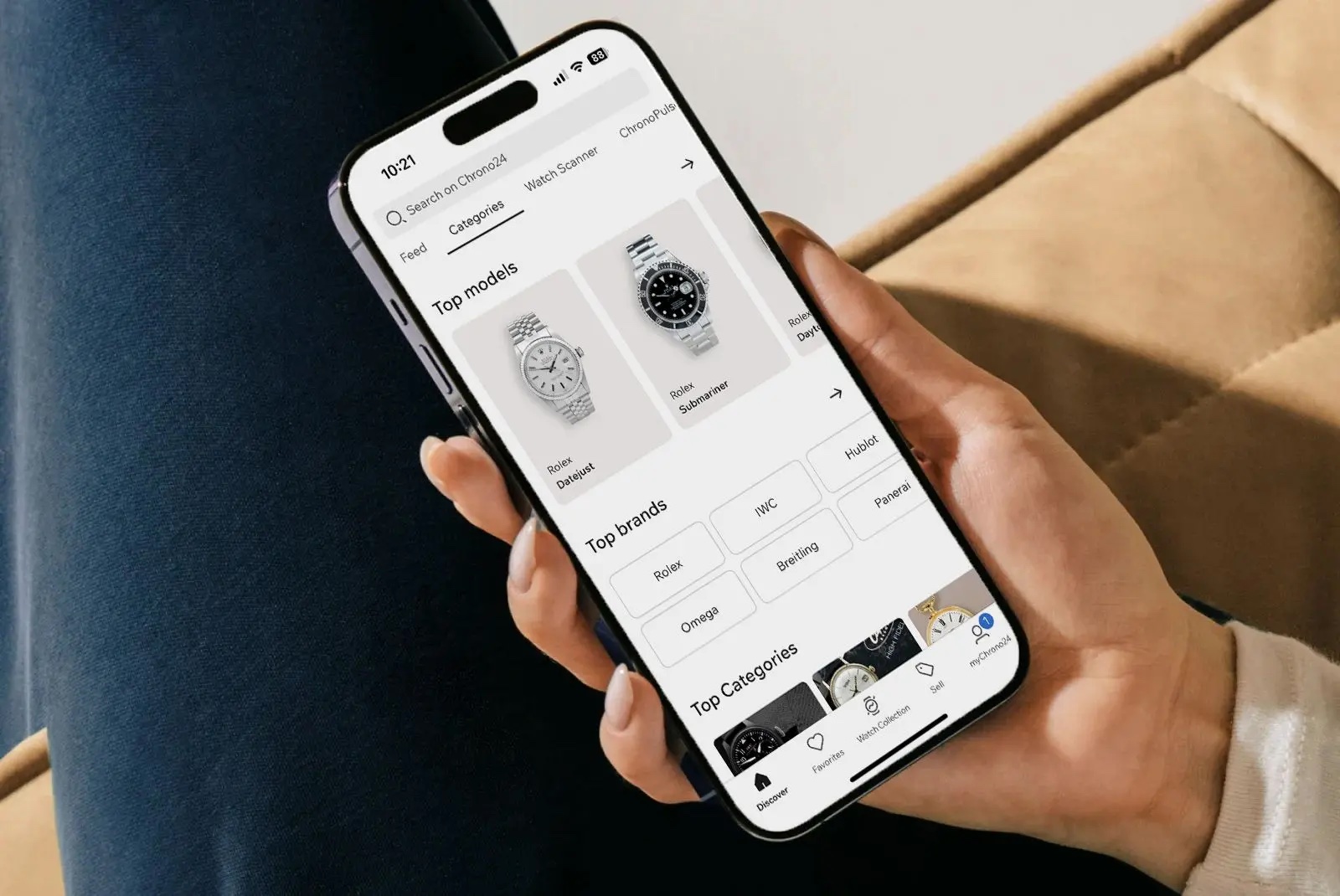
Chrono24 Mobile App Interface Credit: Chrono24
Within Chrono24, AI is already at work. A customer-service chatbot launched in July has delivered resolution rates that are significantly higher, according to Gaztelu, leaving staff more time for customers who need it. The larger opportunity lies in personalisation, and he is a user himself.
The engine room
Switzerland now ships half as many watches as it did a decade or so ago, and Robin Swithinbank has described the secondary market as becoming the industry’s new engine room of volume. Gaztelu sees no reason Chrono24 could not reach a million listings, because those watches are in the market already, and he points to younger buyers who are interested in watches again, even though they’re digitally native.
Yet his optimism comes with a condition. “We need healthy brands, we need them to be successful,” he says. “Otherwise it wouldn’t be a secondary market.” However large resale becomes, its value is still created at manufacture.
Subscribe to The Luxury Society Podcast to receive notifications about new episodes featuring luxury industry leaders. Never miss an episode as we continue exploring the themes shaping the future of luxury.
Yiki is Global Marketing and Communications Assistant Manager at DLG, based in Shanghai. She previously served beauty clients including Shiseido Group, Estée Lauder Group and L’Oréal Group. At DLG, she oversees marketing and communications for both global and China markets.
The newly released WeChat Luxury Index examines how high-end and luxury brands achieve marketing or business objectives on WeChat. The report also showcases a ranking of these brands, evaluating whether their offerings and services on WeChat are developed enough to meet the sophisticated demands of today’s consumers.
In an exclusive interview for The Luxury Society Podcast’s inaugural episode, TAG Heuer CEO Antoine Pin reveals how the brand’s historic return to Formula 1 aims to conquer new markets, seduce younger consumers, and win the ultimate battle: The one for our wrists.
Five months into the role, the Swiss watchmaker’s new chief executive explains why price has to be earned, why partnerships are won in the execution and why he sees no reason for pessimism
At Geneva Watch Days, Bulgari’s watch managing director weighs a shrinking unit count against resilient export value, and sets out how creativity, women buyers and a disciplined reading of the secondary market could restore the balance.
At a Geneva Watch Days panel on generative engine optimisation and desirability, DLG’s Senior Advisor Antonio Carriero argued that artificial intelligence cannot originate desire, only mediate it. He explains why GEO should be treated as hygiene rather than strategy, and why the brands that win by 2030 will be both machine-legible and unmistakably human.