Rapha’s Fran Millar on Rebuilding a Brand from the Inside Out
Rapha built one of cycling’s most devoted communities, then spent seven years diluting the very identity that made it matter. Fran Millar, appointed chief executive in September 2024, is now tasked with winning it back.
Fran Millar is not a conventional luxury executive. She built her reputation across 15 years in elite professional cycling – co-founding Team Sky, overseeing six Tour de France victories under that banner and a seventh after the team’s rebrand to Team Ineos in 2019, and serving as CEO of Team Ineos when the organisation delivered Eliud Kipchoge’s historic sub-two-hour marathon in Vienna that same year – before turning her hand to brand recovery at Belstaff and Rapha.
Appointed chief executive of the high-end cycling apparel brand in September 2024, she inherited a business that had posted seven consecutive years of losses following its £200 million acquisition by RZC Investments, the private equity vehicle of Steuart and Tom Walton in 2017. In a previous episode of The Luxury Society Podcast, she speaks about the anatomy of a turnaround, the strategic logic behind Rapha’s repositioning and what elite sport has taught her about building winning organisations.
Seven Years of Drift: The Anatomy of a Decline
Millar’s assessment of Rapha’s decline is forensic and largely unsentimental. The brand had, she argues, serially diluted itself – chasing scale through entry-price-point product, category extensions into mountain biking and lifestyle apparel, and repeated strategic pivots that followed each change of leadership.
“I don’t think we were clear enough about what we were going to try and expand into,” she states. “We know we want to grow. We knew we wanted to scale. We’d obviously been bought and I think there was a pressure to demonstrate that the price had been worth it.” However, none of these moves was necessarily fatal in isolation. But executed in rapid succession, without consistency or enough time to take hold, they gradually eroded the clarity that had made Rapha compelling in the first place.
Founded in 2004, the brand had created its own category by fusing the romantic visual language of 1960s and 1970s European road racing with a premium product and a devotional community. “The imagery from the 1960s and 1970s cycling is quite rock and roll. It’s quite punk. It’s got some glamour to it. Rapha leant incredibly hard into that,” Millar observes.
The cycling apparel market has grown significantly more competitive since that founding moment. Grand View Research estimates the global cycling wear market at USD 6.04 billion in 2024, projected to reach USD 9.80 billion by 2030, growing at a CAGR of 8.5%, with dozens of specialist and mass-market entrants crowding the space Rapha once held largely alone. Losing sight of its founding identity, Millar says, was the root of most of what followed. “That’s a bold play to try and be the sort of Lululemon of cycling. There were probably too many initiatives: not enough clarity; not enough consistency. The brand didn’t stick to the things that had made people fall in love with it in the first place.”
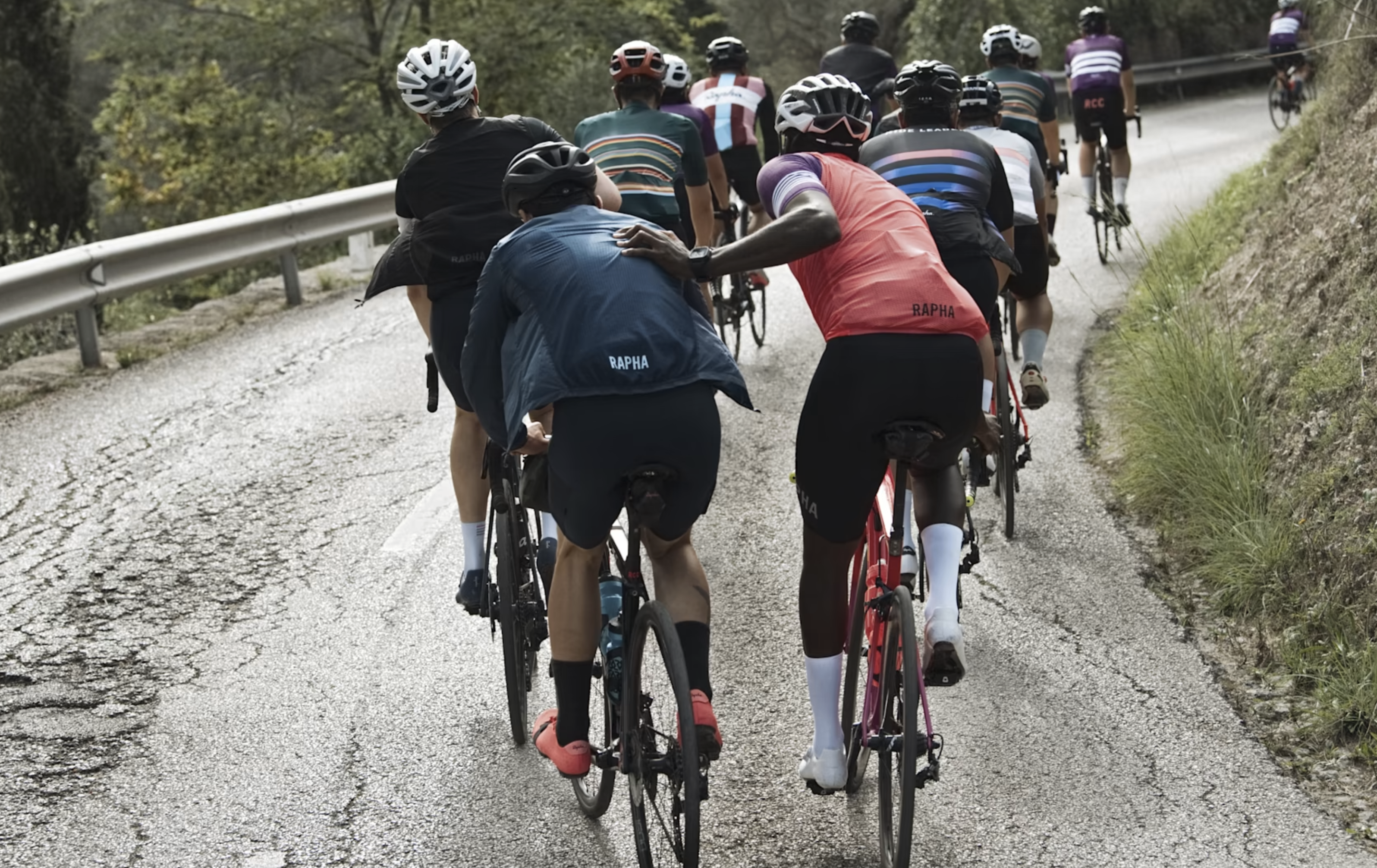
Rapha Cycling Club Credit: Rapha
The Turnaround: Back to Basics, Sharply Defined
The recovery strategy rests on three pillars: workplace reset, product focus and retail experience elevation.
Internally, Millar drew directly on the Team Sky playbook she helped write in 2013, focusing on the areas with the greatest impact on human performance – a transparent and clearly structured workplace. “People work best when they have a certain set of parameters,” she explains. “I think if you can create an environment where people feel psychologically safe. Where they understand the direction they are going; where they’re given the support and the tools they need to do the job. You relentlessly pursue that over and over again.”
Externally, the emphasis has been on consolidating SKUs, re-centring product development on road and gravel performance, and restoring the clubhouse network – currently spanning 23 locations across roughly 40 global chapters – to its original purpose as the beating heart of the brand’s community. The Bain-Altagamma Luxury Goods Worldwide Market Study 2024 reveals the need for brands to enhance store relevance by transforming into experiential destinations that transcend their transactional role – a logic Rapha’s clubhouse model already encodes, even if its execution has been inconsistent in recent years.
Millar is characteristically candid about sequencing. “When you’re in this level of turnaround with this level of turmoil and this amount of change, the big bits are so important that you’re not at the marginal gains stage yet,” she says. The priority, in other words, is to rebuild the structural foundations of the business before pursuing incremental optimisation.
But for Millar, operational recovery alone is not enough. Rapha must also reclaim a sharper and more distinctive point of view in an increasingly crowded cycling market. She is equally unambiguous about what that repositioning requires emotionally: “You have to have a point of view, and you have to have a position, and you have to be willing to be disliked because I think you can’t be loved unless somewhere in the world someone hates you.”
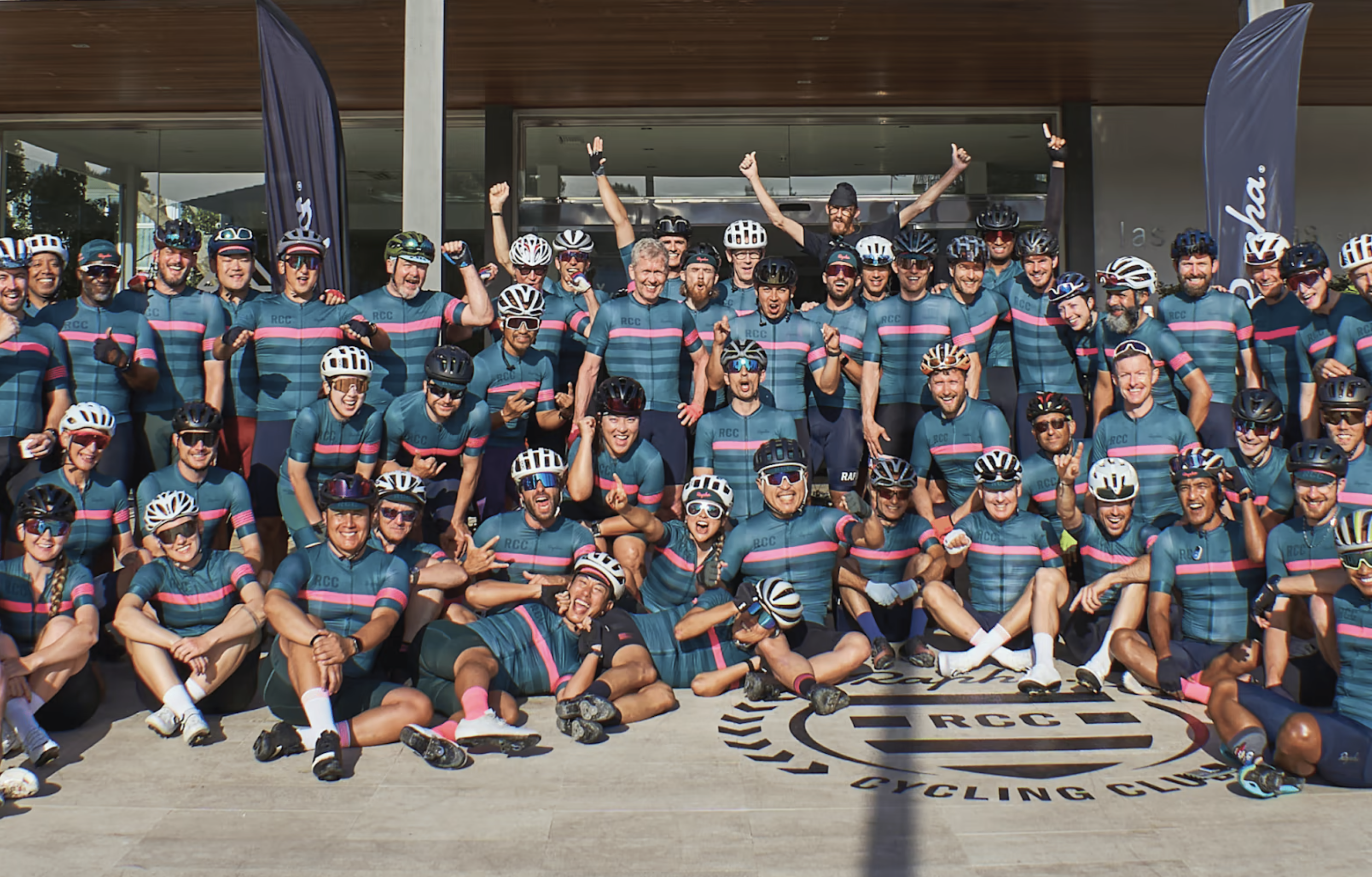
Rapha Cycling Community Credit: Rapha
China, Women and Where Growth Comes From
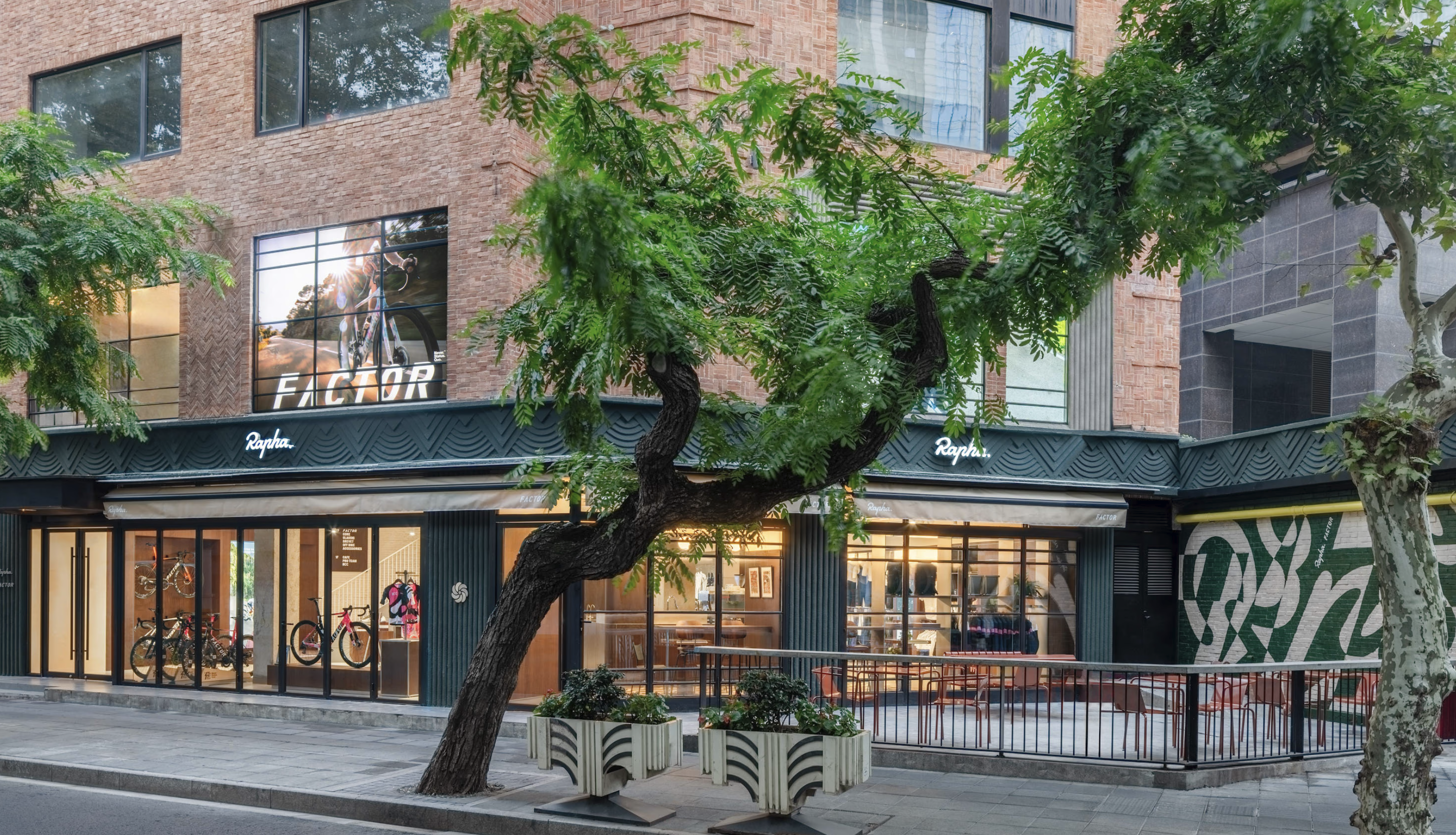
Millar identifies two growth vectors with particular conviction. The first is China, where Rapha opened a new-format Shanghai clubhouse in late 2025. She frames the market as a deliberate test-and-learn environment – one where cycling participation is expanding rapidly and consumer appetite for product authenticity remains high.
“Cycling is absolutely booming in China and we want to be at the forefront of that,” she says. That assessment is corroborated by data from the China Cycling Association, which recorded an 18% year-on-year surge in sports bike sales in 2024, alongside over 2,000 public cycling events held annually in China, with participation exceeding five million, nearly ten times the figure from a decade ago.
The second growth vector is women. The brand is currently 85% male by customer base globally, though that figure shifts to around 30% female in APAC and approximately 40% in China. More broadly, Millar notes that double-digit participation growth on platforms such as Strava and Zwift is increasingly being driven by women. Millar makes clear that closing the gender gap is not peripheral. “I’d absolutely want that to be one of the key pillars of the growth strategy in the next ten years of the brand. It would be naive of us not to go after it and really make sure that we’re catering to it properly.”
Technology, too, has a role to play in the recovery. Rapha is working through an enterprise agreement with Google to consolidate 20 years of fragmented customer transactional data, a foundation, Millar argues, for more intelligent CRM activation and AI-assisted insight generation once the data infrastructure is in place.
Rapha Clubhouse in Shanghai Credit: Rapha
The Rapha turnaround is, as Millar acknowledges, a single roll of the dice; there is no room for further strategic drift. But her confidence is grounded in something concrete: the belief that the brand’s equity has always outrun its commercial performance, and that the distance between the two represents opportunity rather than failure. “It’s massively underpotentialised,” she says of the business. “We’ve just got to get it right.”
Subscribe to The Luxury Society Podcast to receive notifications about new episodes featuring luxury industry leaders. Never miss an episode as we continue exploring the themes shaping the future of luxury.
Lydianne is a seasoned marketing and communications professional with over a decade of experience in the luxury industry. Having spent six years in Shanghai, she also has a deep understanding of China’s evolving luxury landscape. Currently Global Marketing & Communications Director at DLG, she previously led marketing efforts for DLG China. Before that, she honed her editorial expertise at Prestige in Singapore and later as China Editor of Luxury Society.
The newly released WeChat Luxury Index examines how high-end and luxury brands achieve marketing or business objectives on WeChat. The report also showcases a ranking of these brands, evaluating whether their offerings and services on WeChat are developed enough to meet the sophisticated demands of today’s consumers.
In an exclusive interview for The Luxury Society Podcast’s inaugural episode, TAG Heuer CEO Antoine Pin reveals how the brand’s historic return to Formula 1 aims to conquer new markets, seduce younger consumers, and win the ultimate battle: The one for our wrists.
At Geneva Watch Days, Bulgari’s watch managing director weighs a shrinking unit count against resilient export value, and sets out how creativity, women buyers and a disciplined reading of the secondary market could restore the balance.
At a Geneva Watch Days panel on generative engine optimisation and desirability, DLG’s Senior Advisor Antonio Carriero argued that artificial intelligence cannot originate desire, only mediate it. He explains why GEO should be treated as hygiene rather than strategy, and why the brands that win by 2030 will be both machine-legible and unmistakably human.
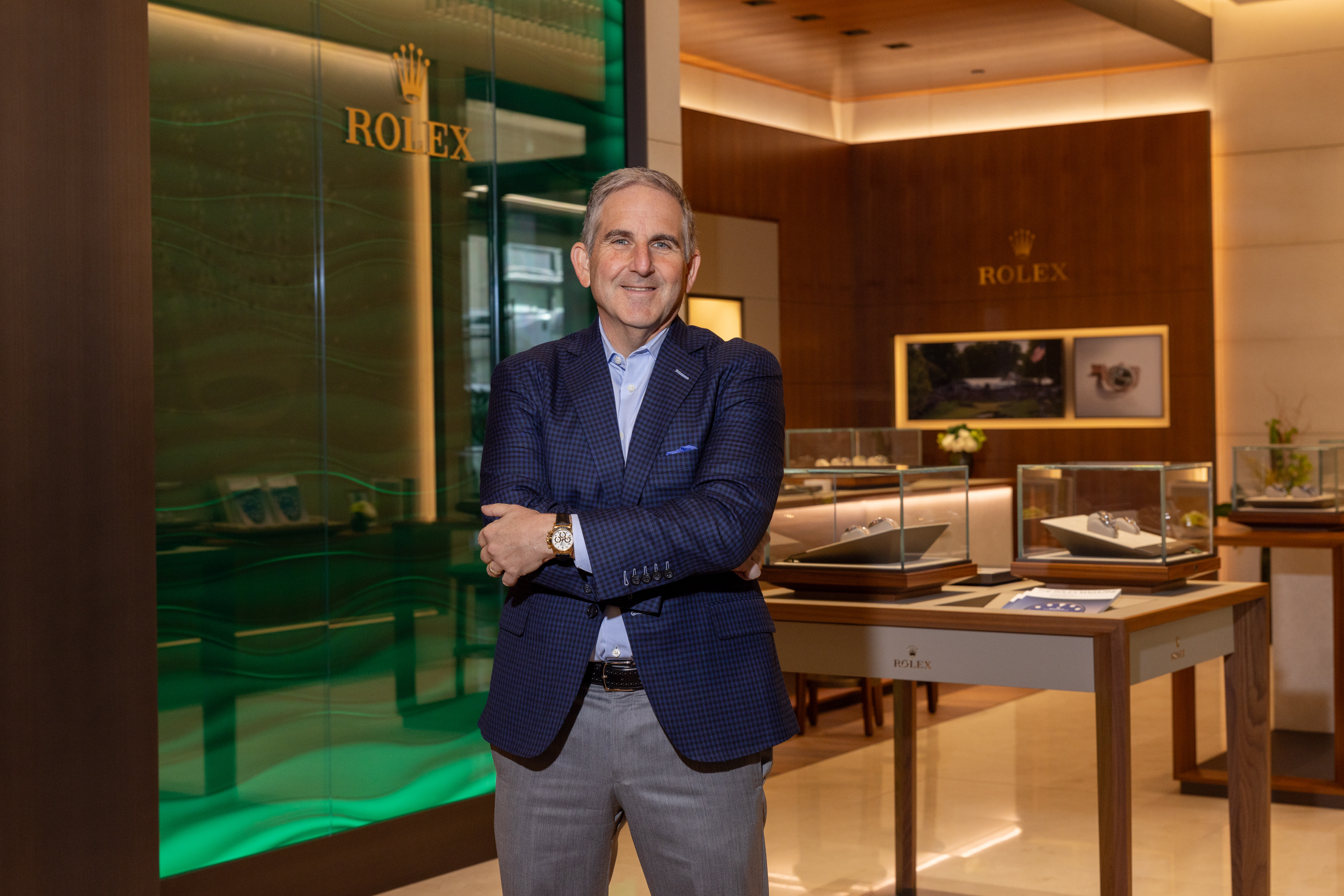
John Shmerler, chief executive of The 1916 Company, argues that Rolex’s Certified Pre-Owned programme has reset consumer trust in resale watches, and that the industry’s true blind spot remains what happens after the sale, not before it.