Modern luxury is increasingly negotiating a difficult balance between exclusivity and relevance. Collaborations like Swatch × Audemars Piguet reveal how brands are adapting to a more participation-driven luxury economy but they also raise uncomfortable questions about how much accessibility luxury can absorb before symbolic prestige begins to weaken.
Luxury brands once protected exclusivity fiercely. Today, many are increasingly selling participation.
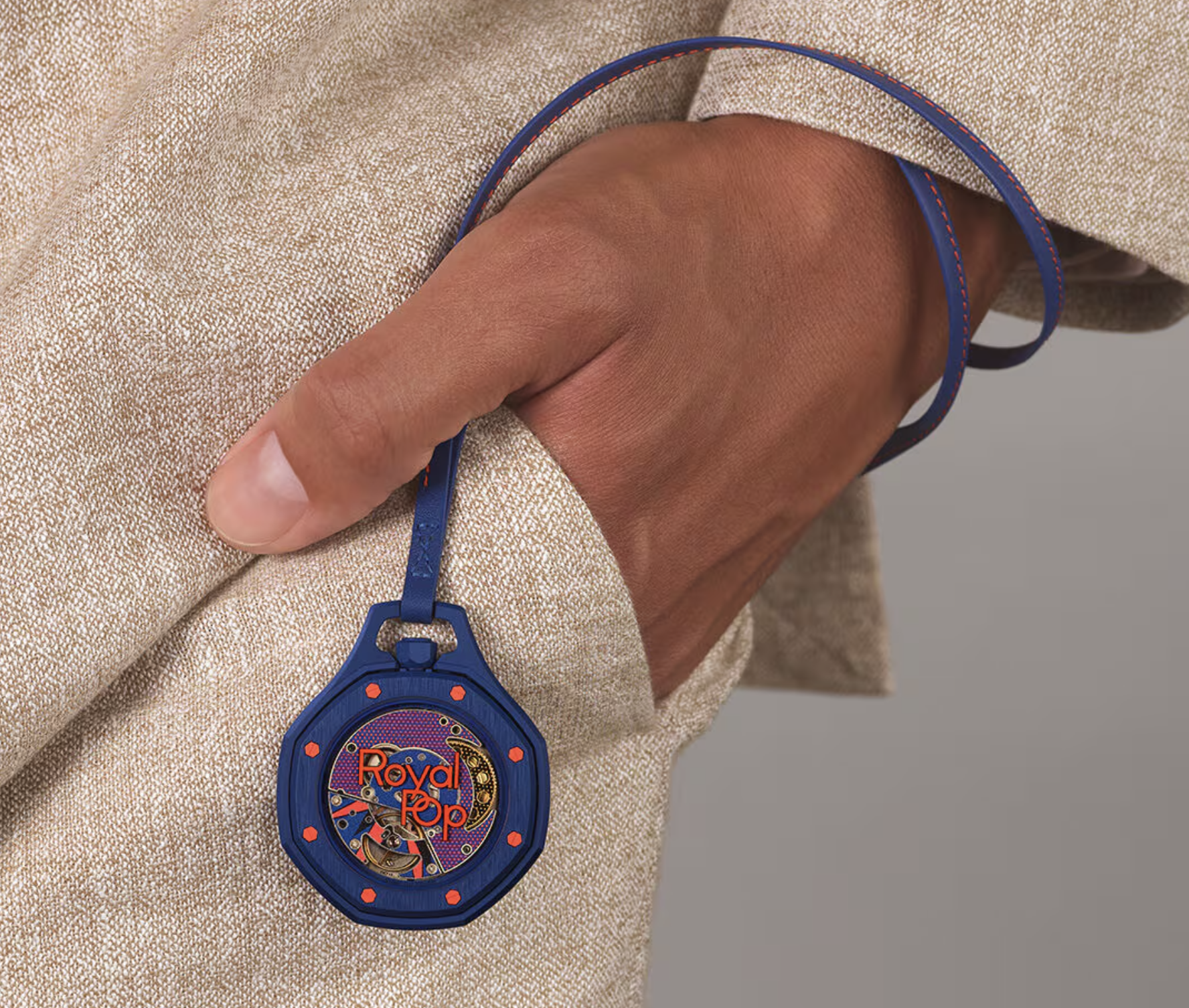
The recent Audemars Piguet x Swatch “Royal Pop” launch is the latest example of a structural shift that has quietly transformed modern luxury over the past decade. Eight pop art-inspired pocket watches based on the Royal Oak’s iconic design, powered by Swatch’s SISTEM51 movement and priced from around $400, the launch on 17 May triggered queues from Paris to Kuala Lumpur, crowds that turned disorderly in several locations, and a Swatch statement capping queues at 50 people per store.
This followed Swatch x Omega (the MoonSwatch, 2022), then Swatch x Blancpain. Across fashion and luxury more broadly, collaborations have become mechanisms for cultural visibility, youth engagement, and mass participation. At one level, they are obvious marketing wins: queues, social media attention, resale hype, younger audiences, cultural relevance. But something deeper is happening underneath.
Luxury brands are increasingly responding to the pressures of a bifurcating market and collaborations are their primary tool.
The Bioceramic Royal Pop Collection by Swatch x Audemars Piguet Credit: Swatch
The collapse of the middle
At the very top, wealthy consumers continue moving towards quieter, rarer, ultra-premium experiences. Scarcity still matters enormously there.
But below that, a much larger aspirational audience increasingly wants participation rather than patience. Earlier generations were willing to wait years to “graduate” into luxury ownership. Today’s consumers increasingly want immediate cultural access — to participate in luxury codes now, even if full ownership remains financially distant.
Collaborations are no longer merely creative partnerships. They are strategic bridges between exclusivity and relevance. This changes how luxury brands behave, and how they think about who they are selling to.
Not all collaborations are equal
The distinction between types of collaboration matters enormously for brand equity, even if short-term performance metrics rarely reflect it.
Some collaborations expand mythology. Fendi x Versace, Dior x Jordan, Louis Vuitton x Yayoi Kusama, these strengthen luxury’s symbolic hierarchy while preserving cultural elevation. Both parties enter at a comparable register; the exercise amplifies rather than dilutes.
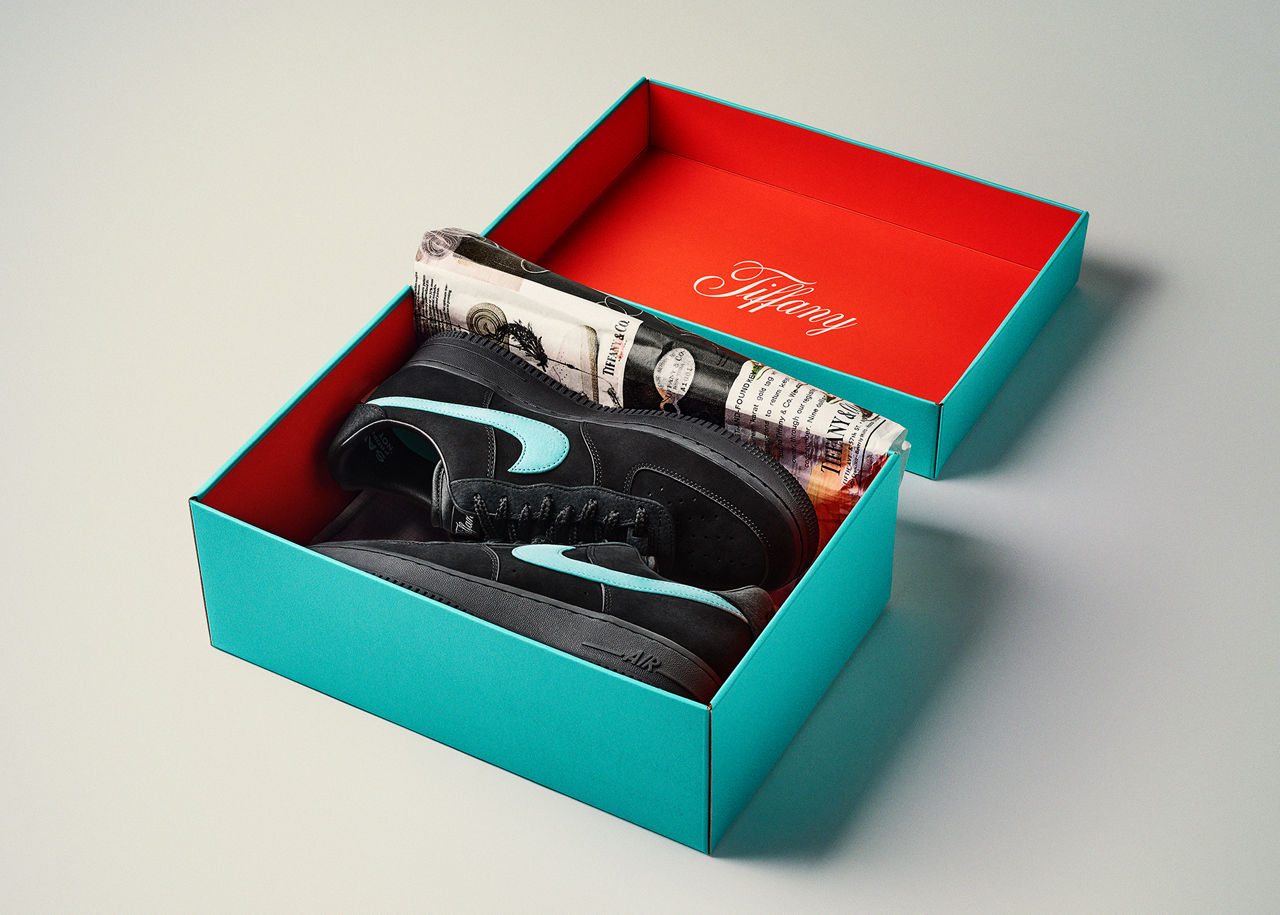
Others are built on cultural amplification: Gucci x Adidas, Supreme x Louis Vuitton, Tiffany x Nike. These create hype and youth relevance while maintaining some degree of exclusivity. The goal is reach without complete accessibility.
Then comes a far more disruptive category. H&M x Balmain, H&M x Versace, Swatch x Omega, Swatch x Blancpain, and now Audemars Piguet x Swatch, these collaborations dramatically lower the threshold of symbolic participation. Consumers may not own the original object, but they gain access to its visual codes, its cultural symbolism, its emotional signalling, and its social proximity, at a dramatically lower entry point.
That may sound like democratisation. It also creates a strategic risk: over-familiarity.
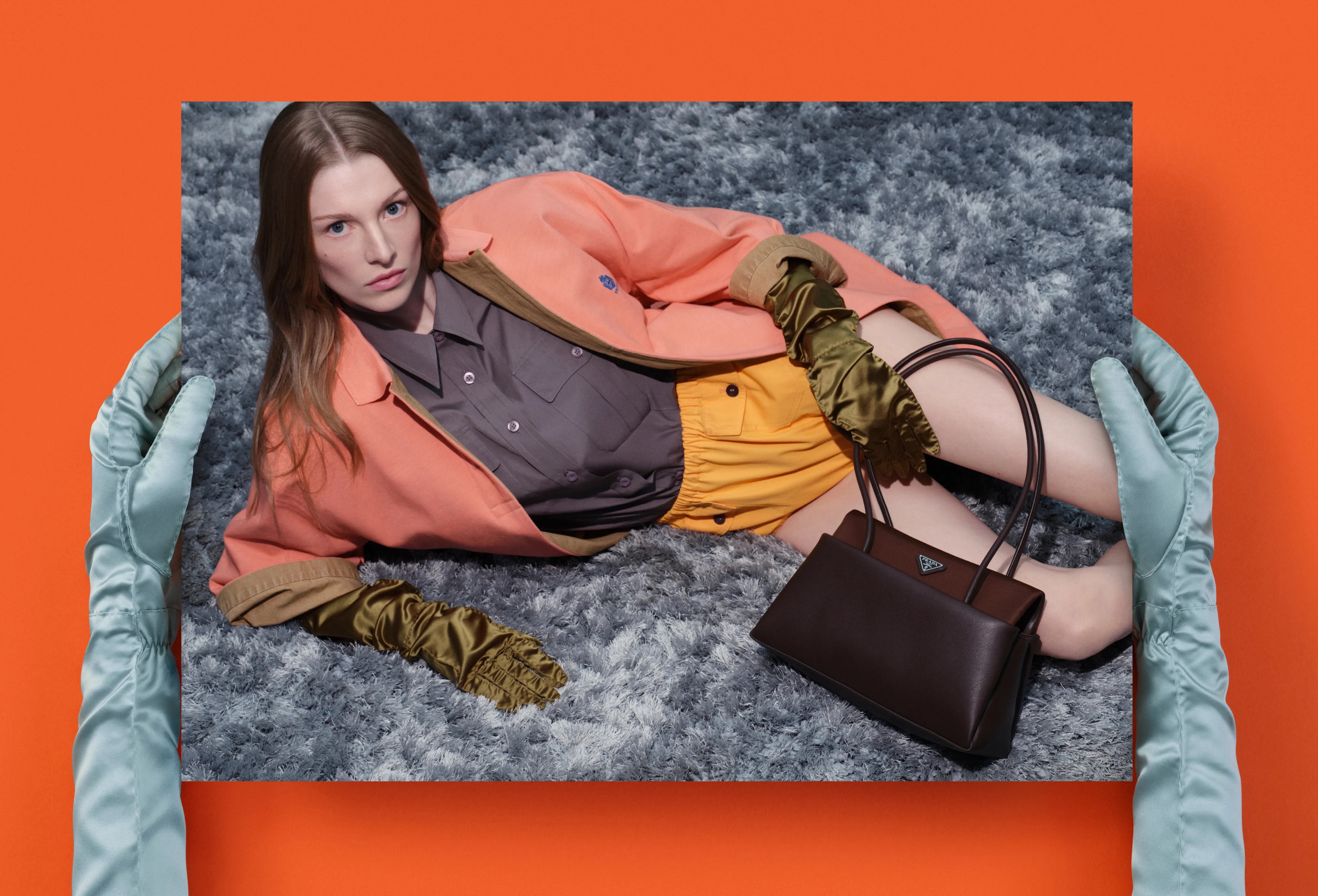
Tiffany x Nike Credit: Tiffany
The rise of participation luxury
The Royal Pop launch revealed this dynamic sharply. Queues formed globally. Consumers camped outside stores. Resale prices surged within hours. The launch generated the kind of frenzy usually associated with sneaker culture or streetwear drops.
But the real product being sold was not merely a watch. It was participation, temporary access to the emotional theatre of luxury without crossing the traditional economic barriers that once protected it.
Luxury historically monetised ownership. Modern collaborations increasingly monetise participation. That shift changes the psychology of aspiration itself.
Audemars Piguet has taken a deliberate position on this: the brand has committed 100 per cent of its proceeds from the Royal Pop to an initiative supporting the preservation of watchmaking savoir-faire, with a focus on rare skills and the next generation of horological talent. Whether that framing holds in the consumer’s mind or whether the image of crowds storming a Swatch store defines the narrative remains to be seen.
Why Hermes still matters
This is why Hermès remains such an important counterexample. The house has largely resisted mass-access collaborations. Instead, it continues strengthening scarcity, waiting lists, controlled supply, and the symbolic difficulty of access.
Hermès understands something critical: luxury loses power when participation becomes too easy. The house has recorded revenue growth that consistently outpaced peers through the years when collaborations proliferated most aggressively elsewhere. Exclusivity, it turns out, is not merely a philosophical position. It is a commercially superior one over time.
The future of luxury
The challenge facing modern luxury brands is not simple. If they remain too exclusive, younger audiences may disconnect culturally. If they become too accessible, symbolic prestige may slowly erode.
This balancing act between relevance and reverence is becoming one of the defining strategic tensions in luxury today. The K-shaped economy is creating two very different realities simultaneously: one audience moving deeper into ultra-luxury, another seeking affordable symbolic participation. Brands are adapting accordingly.
The real question is whether they can continue expanding participation without weakening aspiration itself. Luxury historically derived its power from distance. Modern collaborations increasingly derive power from proximity.
The brands that survive the next decade may ultimately be the ones that know exactly how much proximity they can afford.
Abhay Gupta is a luxury strategist and Founder & Chairman of Luxury Connect Pvt Ltd. He is widely recognised as a luxury expert by CNBC, CNN, NDTV Profit, Business India, Economic Times and has established luxury brands like Versace, Versace Home, Versace Collection, Corneliani, John Smedley, Tween Damat ADV, Arredo Classic into the Indian market. A regular speaker at many luxury forums, the Fondazione Altagama has also recognised his contribution to the growth of Italian luxury industry by his pioneering efforts in India. Abhay is also the author of the book ‘The Incredible Indian Luxury Bazaar.’
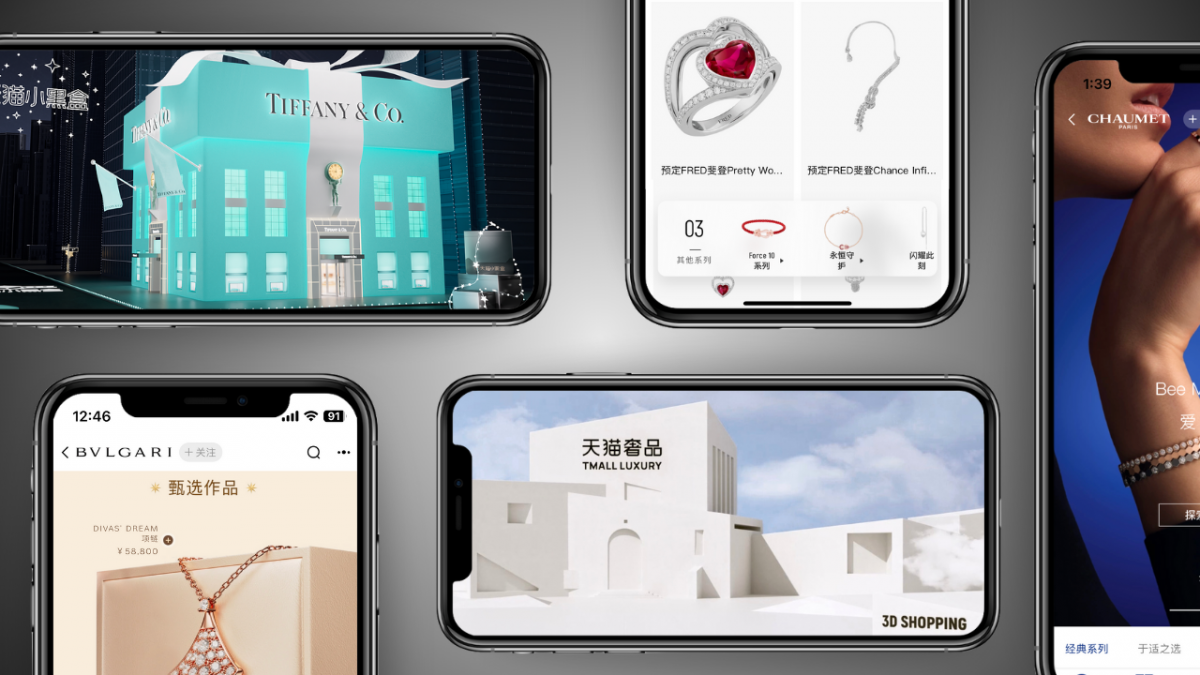
The newly released WeChat Luxury Index examines how high-end and luxury brands achieve marketing or business objectives on WeChat. The report also showcases a ranking of these brands, evaluating whether their offerings and services on WeChat are developed enough to meet the sophisticated demands of today’s consumers.
In an exclusive interview for The Luxury Society Podcast’s inaugural episode, TAG Heuer CEO Antoine Pin reveals how the brand’s historic return to Formula 1 aims to conquer new markets, seduce younger consumers, and win the ultimate battle: The one for our wrists.
Bain & Company’s new report notes early signs of recovery in mainland China’s luxury market, but growth is increasingly shaped by grey market cannibalisation and competition from local brands.
China’s handbag market is rebounding unevenly, with growth concentrated in the premium and absolute-luxury segments while aspirational brands face structural pressure. Value polarisation, overseas spending and grey-market expansion are accelerating this divide and redefining competitive advantage.
After years of caution, China’s luxury market is reawakening. The new playbook adopted by leading brands shows that China’s influence on the world’s top maisons is no longer cyclical – it is systemic, redefining what relevance means in a multipolar luxury world.