The Ghost in the Machine: Why AI’s Biggest Challenge in Luxury Is Organisational, Not Technical
AI promises to transform luxury, yet most brands remain stuck experimenting. The bottleneck isn’t technical capability – it’s organisational inertia. Fragmented teams, outdated structures, and misaligned metrics prevent companies from translating AI insights into action.
The luxury industry is once again standing at a precipice, confronted by a technology that promises radical transformation. The dialogue surrounding generative AI often centers on its dazzling capabilities – from generating executive briefings to envisioning preliminary response scenarios. Yet, to focus on these technical marvels is to miss the point entirely. For an industry that has long perfected the art of brand storytelling and client relationships, the primary obstacle to leveraging AI is not found in the silicon, but in the silos.
We have seen this script before. The initial resistance of the watch and luxury sectors to the rise of online channels in the early 2000s was not born of technological ignorance, but of organisational inertia and a deep-seated reluctance to upend a century-old business model. For decades, particularly in the Swiss watch industry, the dominant model was wholesale. Brands were manufacturers and marketers, but their primary “customer” was the authorised dealer, not the end consumer. This B2B structure shaped every facet of their operations, from logistics and finance to marketing, which was often executed in partnership with retailers.
For those that chose to shift from a purely wholesale model to a hybrid, wholesale, retail and e-commerce model, it was not merely a set of new sales channels; it was a frontal assault on the entire paradigm. It demanded a seismic shift from a wholesale-centric model to a direct-to-consumer, omnichannel reality. This required brands to build, for the first time, a direct relationship with the individuals wearing their products – to master the arts of digital marketing, CRM, clienteling, direct sales and after sales. It forced a unified, customer-centric view that was fundamentally incompatible with businesses designed around fragmented B2B control processes and insulated from the end-user. Overcoming this required a painful, root-and-branch overhaul of not just internal decision-making structures, but the core operating model itself – a process many organisations are still navigating today.
Now, AI presents a powerful sense of déjà vu, posing the same fundamental questions but at an accelerated pace and on a far larger scale. The much-discussed barriers to AI adoption – data fragmentation, metric overload, and the “final mile” gap between insight and action – are symptoms of this deeper, organisational malaise.
The Fragmentation Trap is a Mirror: The fact that CRM, e-commerce, and analytics data live in separate systems is a direct reflection of an organisation where the digital, marketing, and retail teams generally operate in isolation. The technical challenge of data integration is secondary to the political challenge of fostering cross-functional collaboration.
Drowning in Data, Starving for Alignment: Executives are not simply drowning in dashboards; they are drowning in disconnected metrics. A head of e-commerce is measured on conversion rates, a retail director on boutique sales, and a marketing lead on brand awareness. Without a unified organisational structure that aligns these leaders around a single, shared view of customer value, even the most intelligent AI filtration system is useless.
The “Final Mile” is an Organisational Chasm: The gap between knowing and doing is not a failure of algorithms but a failure of agility. An AI might identify a critical market shift with surgical precision, but its recommendation is rendered inert if the organisation’s budget cycles, management hierarchies, and risk-averse culture prevent a timely response.
Image generated with AI
This is not just a theoretical problem. It is the core reason so many companies are languishing in what McKinsey terms “pilot purgatory,” with significant AI activity that fails to deliver meaningful bottom-line benefits. Research shows that while nearly all organisations are now experimenting with AI, a staggering two-thirds have not moved beyond the pilot phase. The gap between investment and impact is widening, and the primary culprit is the failure to rewire the organisation itself. As we discovered in our recent AI adoption survey, 42% of luxury businesses polled are still in the “Experimenting” phase, often because it requires significant organisational changes to support widespread adoption.
Conversely, high-performing organisations that are successfully scaling AI demonstrate a clear pattern: they build the right operational scaffolding. LVMH, a leader in the space, has been deliberate in its strategy, creating a centralised data and AI backbone while empowering its individual Maisons to maintain brand autonomy. Their philosophy of “quiet tech” is telling; the technology is an invisible enabler, not the centerpiece, augmenting human talent rather than replacing it. This approach is only possible because their structure allows for it.
The path forward, therefore, is not a technology roadmap but an organisational blueprint. Scaling technology deployment will require a deep cultural transformation. The next frontier of AI is not about generating action plans; it is about building an organisation capable of executing them. This requires:
A Radical Restructuring Around the Customer: Breaking down the functional silos of marketing, sales, and service to create cross-functional capabilities that own the entire customer journey. This ensures that when an AI surfaces an insight, a team is already in place with the authority and resources to act on it. This intentional redesigning of workflows is among the strongest predictors of achieving meaningful business impact – organisations capturing significant value are not merely deploying AI tools, they are fundamentally reimagining how work gets done.
Redefining Leadership and Incentives: Shifting from a top-down, command-and-control hierarchy to a model that empowers teams with data-driven autonomy. Leadership’s role becomes less about making every decision and more about setting the strategic vision and removing organisational friction.
Investing in “Fusion Skills”: Recognising that the most valuable capabilities will emerge from the collaboration between human and machine. This means cultivating a workforce that can intelligently question AI, interpret its outputs within a business context, and provide the strategic and ethical oversight that algorithms lack.
The luxury brands that win in the age of AI will not be those that simply buy the most advanced technology. They will be the ones who undertake the difficult, often politically fraught work of redesigning their organisations. They will understand that AI, for all its power, is a tool. The ultimate competitive advantage lies in the agility, alignment, and human judgment of the organisation that wields it. The bottleneck is not merely technical; it is, and always has been, organisational.
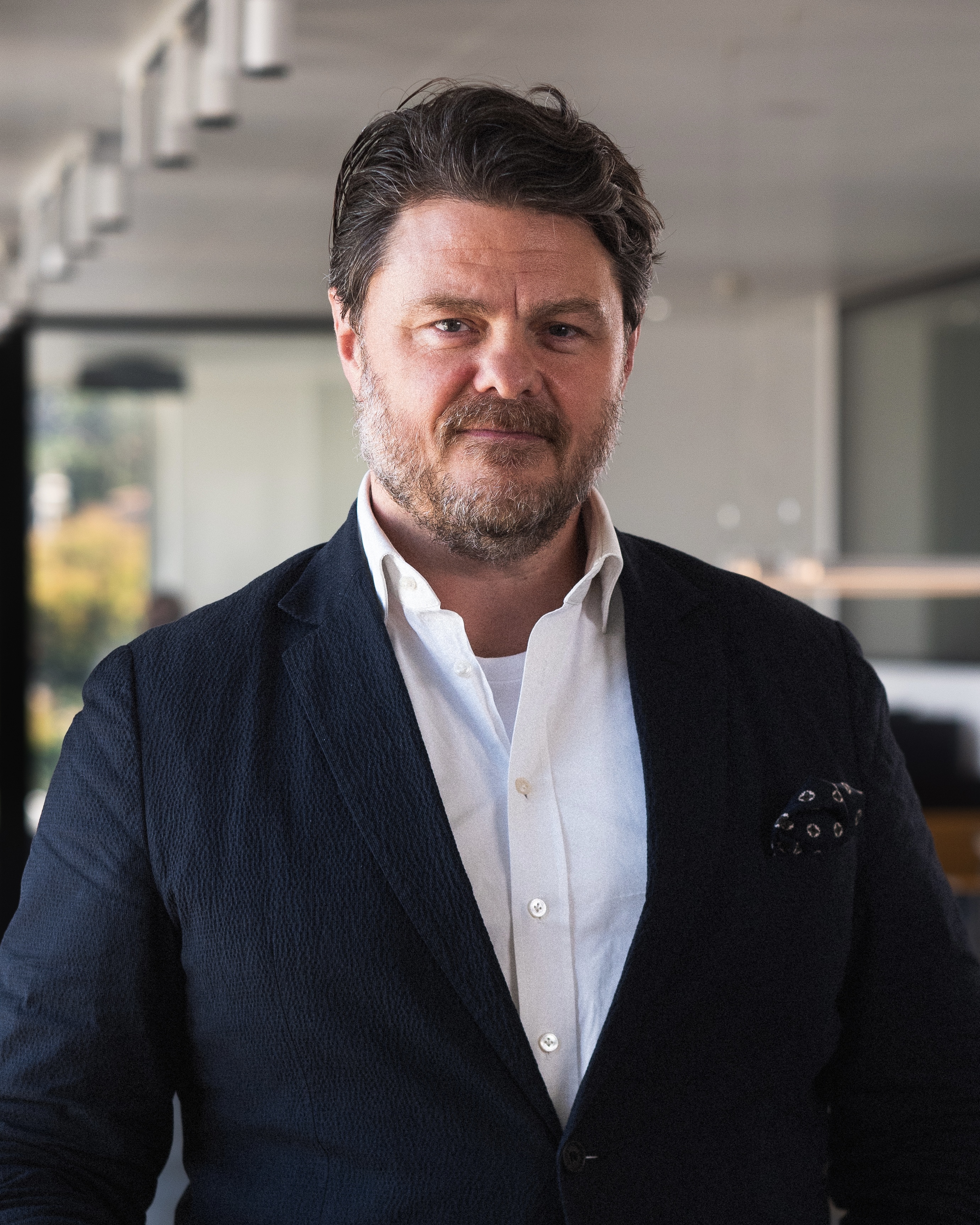
Dominic Weir is Strategy Director at DLG, parent company of The Luxury Society. Based in Geneva, Dominic previously held senior positions at Richemont.
The newly released WeChat Luxury Index examines how high-end and luxury brands achieve marketing or business objectives on WeChat. The report also showcases a ranking of these brands, evaluating whether their offerings and services on WeChat are developed enough to meet the sophisticated demands of today’s consumers.
In an exclusive interview for The Luxury Society Podcast’s inaugural episode, TAG Heuer CEO Antoine Pin reveals how the brand’s historic return to Formula 1 aims to conquer new markets, seduce younger consumers, and win the ultimate battle: The one for our wrists.
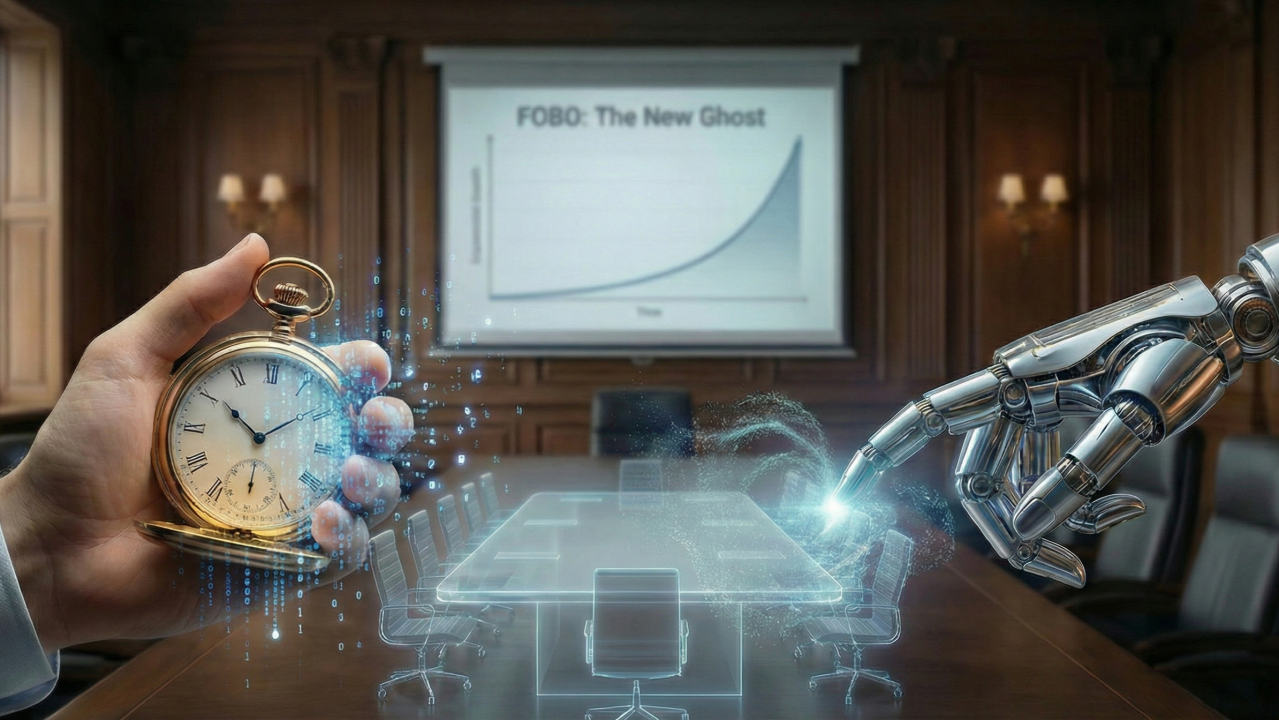
FOMO is out. FOBO – the Fear of Becoming Obsolete – is the defining anxiety of our professional moment. For an industry built on permanence, heritage, and the primacy of the human hand, it may also be the only fear worth taking seriously.
At the WEF 2026, the conversation shifted from AI principles to implementation. With DLG’s LuxuryIQ MCP, luxury brands can finally bridge the gap between fragmented data sources and strategic intelligence – transforming how they compete in an AI-driven market.