Luxury’s New Power Play: Why Culture Now Outranks Craft
The traditional pillars of luxury – rarity, exclusivity, and artisanal craft are giving way to a new currency. For decades, the industry was defined by the tangible: the precise stitch, the rare skin, the silent atelier. That is no longer enough. As houses such as Louis Vuitton and Dior demonstrate, the industry has shifted from selling objects to brokering cultural capital, and for the modern consumer, luxury is less defined by what one possesses than by the cultural space one inhabits.
The luxury sector is witnessing what might be termed “industrialised exclusivity” – a paradox at the heart of the LVMH engine. These brands must scale to satisfy global shareholders, yet scale has traditionally been the enemy of rarity.
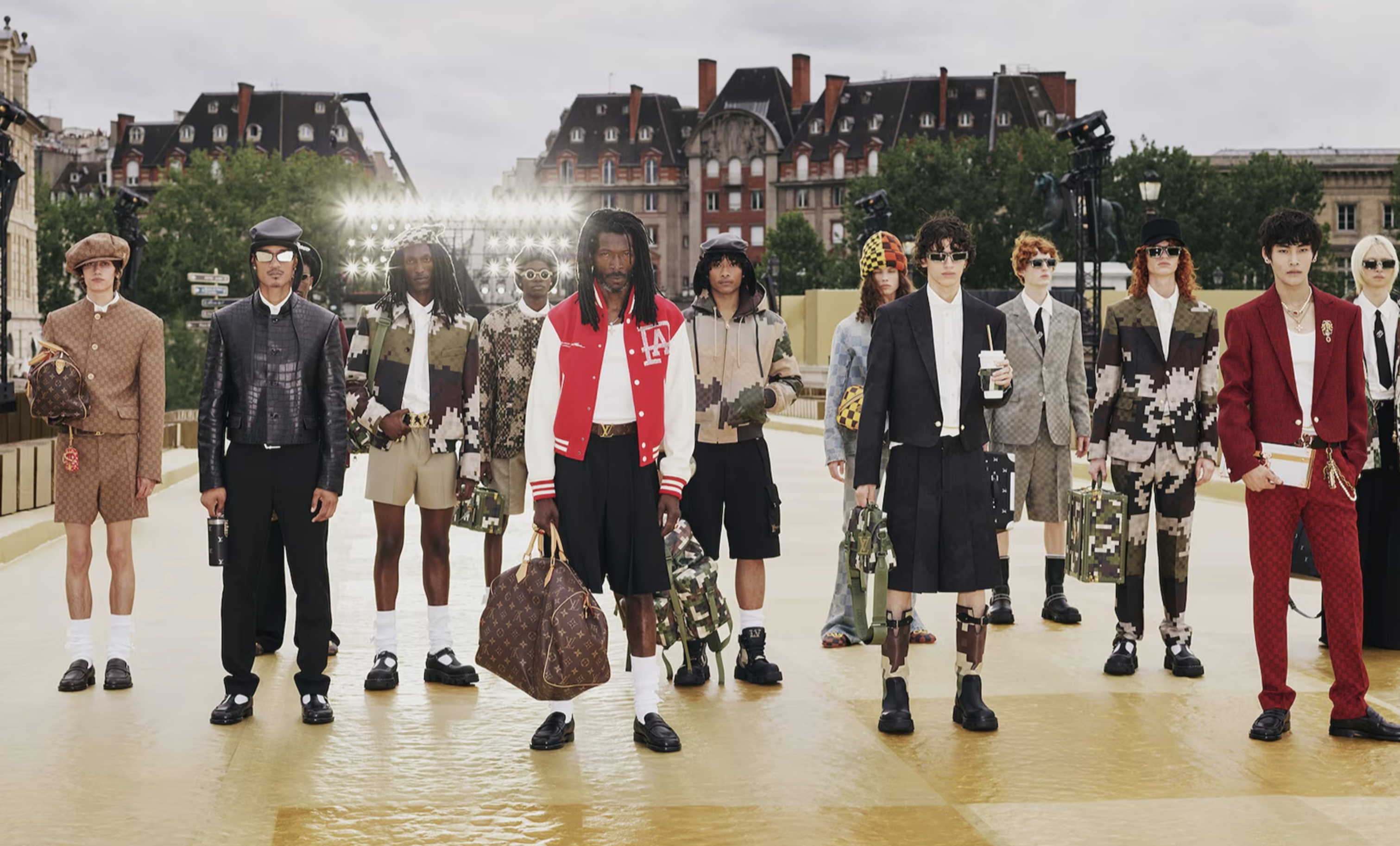
The resolution lies in a shift of value proposition. When Louis Vuitton transforms Paris’s Pont Neuf into a runway, or appoints music producer and designer Pharrell Williams as its Men’s Creative Director, the house is not simply selling a trunk. It is selling a seat at the table of global culture. In an age of supersonic connectivity, a brand’s power is increasingly measured by its share of mind and its ability to dominate the conversation.
The Pont Neuf takeover was not a conventional fashion show. It was a demonstration of what might be called “hegemonic branding” – the ability of a Maison to occupy a city’s history and transform it into a proprietary media asset.
Louis Vuitton Men’s Spring-Summer 2024 Show on Pont Neuf Credit: Louis Vuitton
The spectacle as strategy
Global Maisons have learned to treat spectacle not as a marketing exercise, but as a strategic instrument. By pivoting from product-centricity to culture-centricity, brands have effectively become media houses.
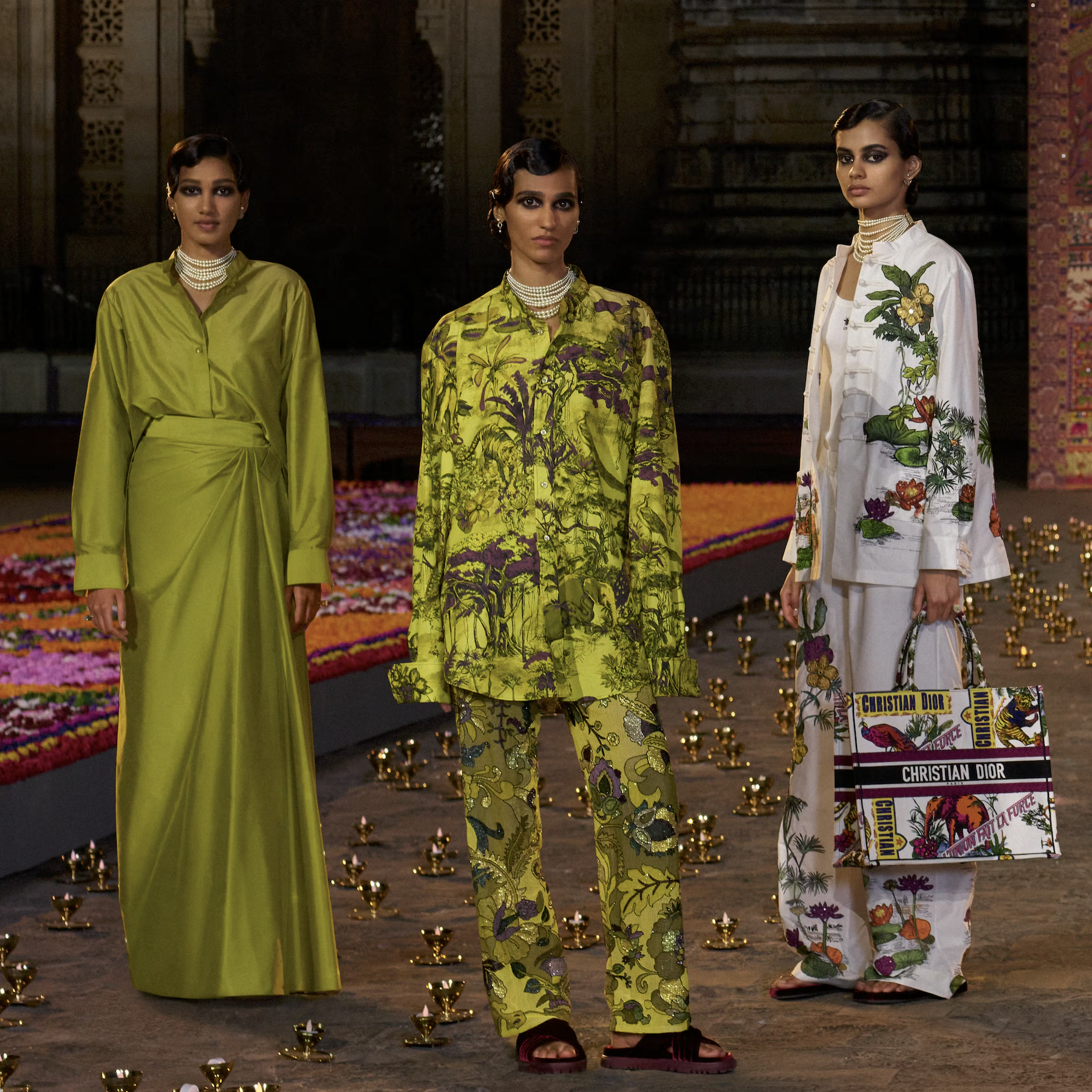
The Dior Fall 2023 show at the Gateway of India in Mumbai exemplified this approach. It was simultaneously a geopolitical and cultural statement. By spotlighting the Chanakya School of Craft, Dior did not merely present a collection – it validated Indian artistic heritage and demonstrated that luxury today is a dialogue between a brand’s European roots and the consumer’s local pride.
The new imperative for global Maisons is clear: to lead the cultural conversation, not just the retail one. Dior’s presence at the Gateway of India exemplified a pivot from exporting luxury to engaging culture, proving that a brand’s relevance in emerging markets is now dictated by its respect for local heritage.
Dior Fall 2023 Collection Show in India Credit: Dior
The bifurcated Indian consumer
Understanding the Indian luxury market requires recognising its fundamental diversity. The market is not a monolith, it is a mosaic, broadly characterised by two distinct consumer profiles.
The first is the aspirational High Earner, Not Rich Yet (HENRY) – the young professional in Chandigarh or Bengaluru who enters a brand through a fragrance or a card-holder, drawn by the mythology constructed on social media. The second is the Very Important Client (VIC): the ultra-high-net-worth individual who demands absolute luxury – bespoke, private, and understated.
The sophistication of modern brand strategy lies in using culture as the connective tissue between these two segments. The mass market encounters the brand through celebrity spectacle; the elite client experiences its power through exclusive access to that same cultural world. This allows a Maison to be visible everywhere while remaining genuinely exclusive for its most discerning clientele.
A roadmap for Indian luxury founders
The shift from craft-centricity to culture-centricity carries significant implications for India’s burgeoning luxury ecosystem. For too long, India has served as the back office of craft – the invisible hands behind the embroidery of Paris and Milan. The opportunity now is to move to the front office of culture.
Three strategic imperatives stand out.
Lead with stories, not just products. Indian brands frequently excel at demonstrating Karigari (craftsmanship) but underinvest in the Kahani (the story). In today’s market, craft is a baseline expectation; culture is the differentiator.
Embrace cross-sector collaboration. Pharrell Williams’s appointment at Louis Vuitton illustrates the power of injecting a brand into cultural conversation through unexpected alliances. Indian luxury brands have an equivalent opportunity – whether a heritage jewellery house partnering with a contemporary architect, or a luxury watch brand collaborating with a figure from India’s gaming or creative industries.
Export identity, not imitation. The most compelling recent examples come from brands that have made their cultural identity the product: Bulgari’s introduction of the Mangalsutra, or Sabyasachi’s placement of the saree at Bergdorf Goodman. These are not acts of export – they are acts of cultural assertion. Indian founders have the opportunity to make the Indian aesthetic a global aspiration, rather than a local variation on European design.
The new luxury equation
Luxury is no longer a secret shared among the elite, it has become a global language of power and cultural belonging. Whether one leads a heritage Maison in Paris or an emerging label in New Delhi, the lesson is the same: heritage provides the foundation, but culture provides the fuel.
The era in which craft alone commanded premium value is giving way to one in which the ability to lead cultural conversation has become the defining competitive advantage. For brands seeking loyalty from the new generation of Indian consumers, the imperative is equally clear: relevance in this market demands genuine engagement with its culture. India is no longer a footnote in the global luxury narrative. Increasingly, it is the story itself.
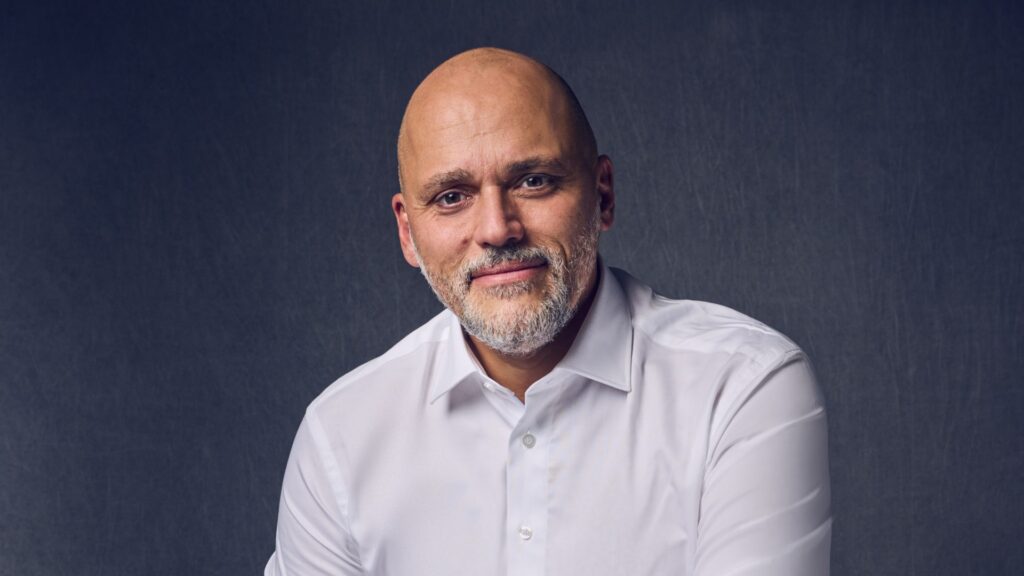
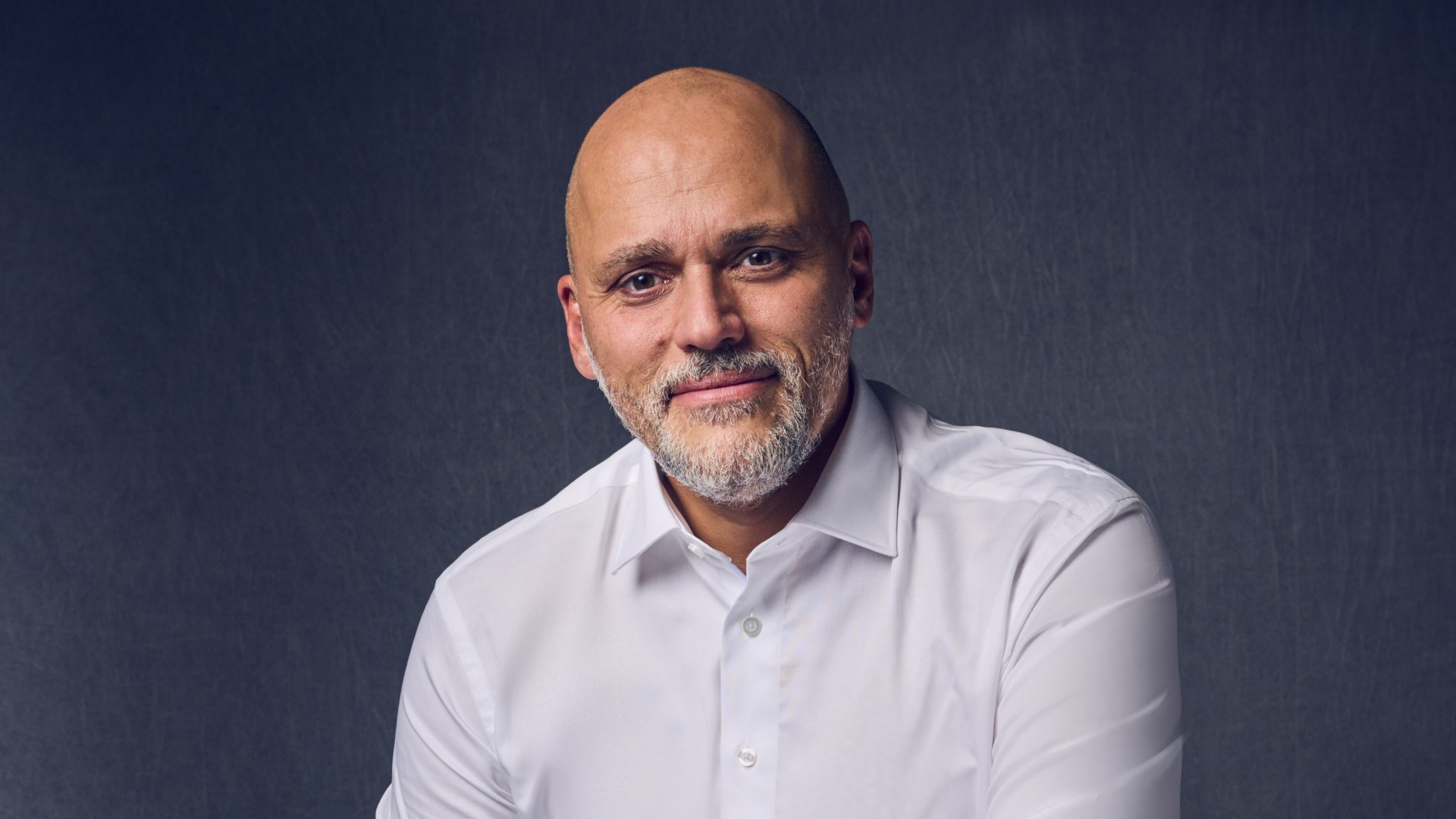
Abhay Gupta is a luxury strategist and Founder & Chairman of Luxury Connect Pvt Ltd. He is widely recognised as a luxury expert by CNBC, CNN, NDTV Profit, Business India, Economic Times and has established luxury brands like Versace, Versace Home, Versace Collection, Corneliani, John Smedley, Tween Damat ADV, Arredo Classic into the Indian market. A regular speaker at many luxury forums, the Fondazione Altagama has also recognised his contribution to the growth of Italian luxury industry by his pioneering efforts in India. Abhay is also the author of the book ‘The Incredible Indian Luxury Bazaar.’
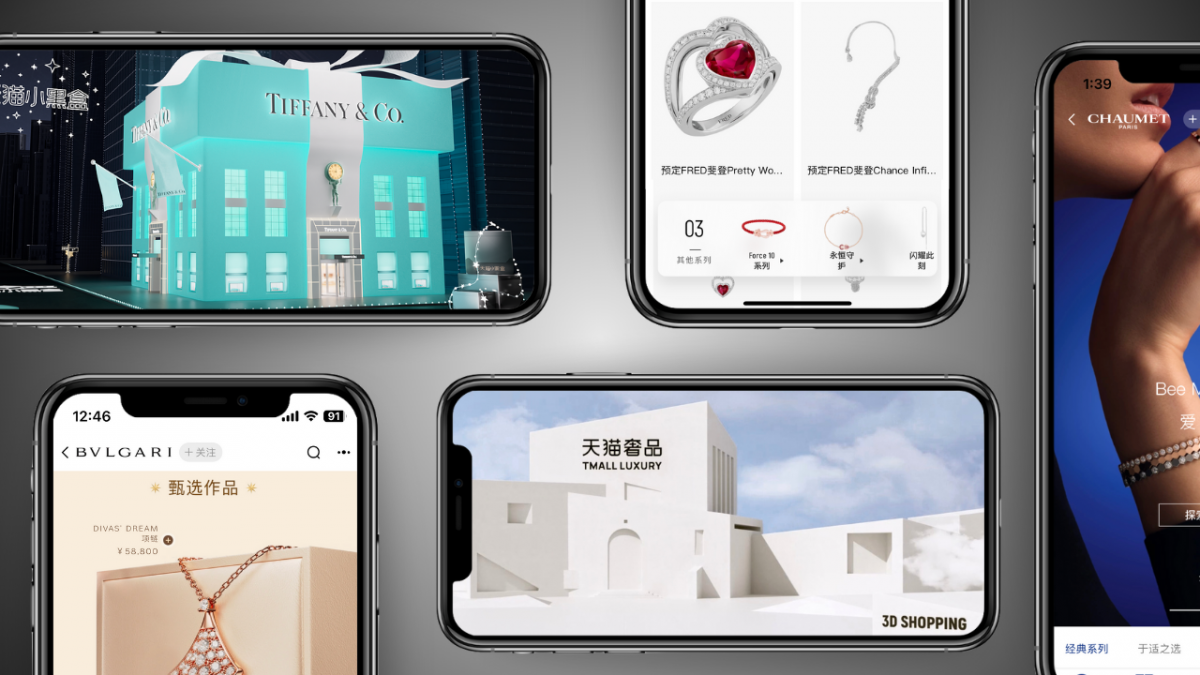
The newly released WeChat Luxury Index examines how high-end and luxury brands achieve marketing or business objectives on WeChat. The report also showcases a ranking of these brands, evaluating whether their offerings and services on WeChat are developed enough to meet the sophisticated demands of today’s consumers.
In an exclusive interview for The Luxury Society Podcast’s inaugural episode, TAG Heuer CEO Antoine Pin reveals how the brand’s historic return to Formula 1 aims to conquer new markets, seduce younger consumers, and win the ultimate battle: The one for our wrists.
High net worth Generation Z consumers are influencing luxury brand strategies today, not tomorrow. New research reveals why the industry can no longer defer engagement with the children of affluent families.
After years of volatility, China’s luxury sector has reached a critical inflection point where growth through market expansion alone is no longer viable – brands must now compete through innovation and operational excellence
“Luxury in India was never just worn – it was lived.” India’s luxury landscape extends far beyond fashion and accessories. From heritage hospitality to wellness rituals and artisanal craft, the country’s affluent consumers have long embraced a holistic interpretation of prestige that global brands are only beginning to understand.