Oliver Petcu, managing partner of CPP Management Consultants Ltd, explores the demographic changes in the prevalent luxury shopper
The booming sales of luxury brands in the years leading up to 2008, were much attributed to the aspirational consumers, defined as those who would buy on a loyal basis products from so-called ‘’second lines’’ or ‘’diffusion lines’’. Those were the success years of brands such as D&G;, Emporio Armani, Just Cavalli etc. The international crisis has brought about lower sales of these lines, in favor of the first lines, considered as prestige. An important factor which has negatively influenced sales of these ‘’second lines’’ is the fact that most of the merchandise is made in Asia, which has created an inferior perception.
The real winners of the crisis have been the brands such as Burberry or Coach which have established themselves as ‘’democratic, affordable luxury’’ brands. The lower price point of their products has attracted the former aspirational buyers of the second lines. This ’’affordable’’ luxury segment has thrived during the crisis, with double digit sales growth, also attracting the so called aspirational customer who used to buy less pricey items of luxury brands such as small leather accessories.
The post crisis core luxury consumer target is definitely buying less products and is looking at higher end items, valuing the quality of raw materials and finishes. Consumers are looking for unique, limited edition pieces, more than before the crisis. Less seasonal products are also preferred, when it comes to fabrics, styles and colors. An important segment of the former aspirational buyers’ target, especially in emerging markets, has been drawn during the crisis, to the so called ’’premium’’ perceived brands such as Guess, Gant, Lacoste, Tommy Hilfiger.
Marketing strategies of top luxury brands have also been altered during the crisis, the aspirational messages being mostly replaced by lifestyle messages. Particular attention should also be paid to the way luxury products are integrated into a complete lifestyle, for instance the new past times of consumers, who spend more and more time online and who dedicate an important part of their budgets to technology, buying the latest laptop, mobile phone, reading tablet etc. The way people travel has also changed and therefore, the need for the luxury brands to adapt to their new lifestyle. Creating limited editions for local stores have proven to be very successful, especially in key destinations such as St Tropez (Chanel pop up store), Portofino (Louis Vuitton bags collection), Shanghai (Prada limited edition collection).
Functionality and comfort are messages which are appealing more and more to consumers nowadays, adding to the sense of value consumers are seeking. Hence, the success of leading Italian luxury shoes manufacturer Tod’s, which, has seen its sales grow above expectations during the current crisis. Recently, the launch by luxury Spanish brand Loewe of a bag under the form of a basic grocery shopping bag made of high quality leather, has been greatly received.
It remains to be seen how the luxury brands will be able attract the consumers they lost during the crisis, especially for their apparel products. Sales of apparel for most major international luxury brands remain lower than accessories, in particular shoes and bags. An increasing number of traditional luxury consumers have adopted the mix and match trend and became regular customers of fast fashion brands while continuing to buy the accessories from the luxury brands, especially shoes and bags. Wearing an H&M; T-shirt with an Hermes Birkin bag is not only regarded as acceptable but as an integral part of modern culture. Niche brands, especially in fashion, are also likely to benefit, most of them selling at lower price points than established brands and producing limited range collections.
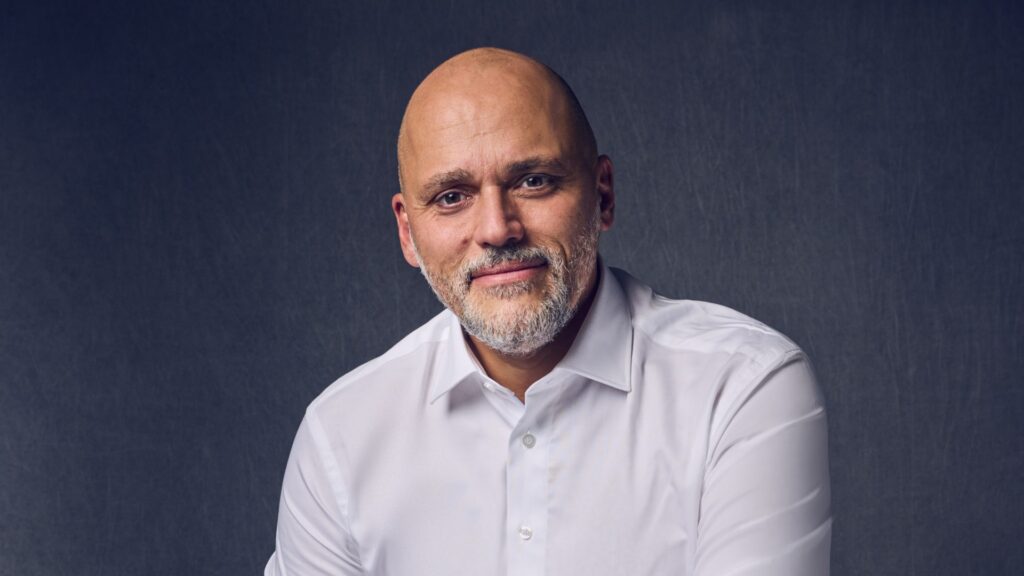
Oliver Petcu, managing partner of CPP Management Consultants Ltd