-
- 27 Apr 2012
Affluent U.S. Consumers Favour Luxury Brands with Apps
The Luxury Institute and Plastic Mobile explain why wealthy U.S. consumers favor and feel more connected to luxury brands offering an app
The independent and objective New York City based Luxury Institute, in cooperation with award-winning mobile marketing agency Plastic Mobile, surveyed affluent U.S. consumers about the growing connection between luxury and the emerging mobile market. The results of their research have just been released in the study, “Mobile Apps And Commerce for Luxury Brands.”
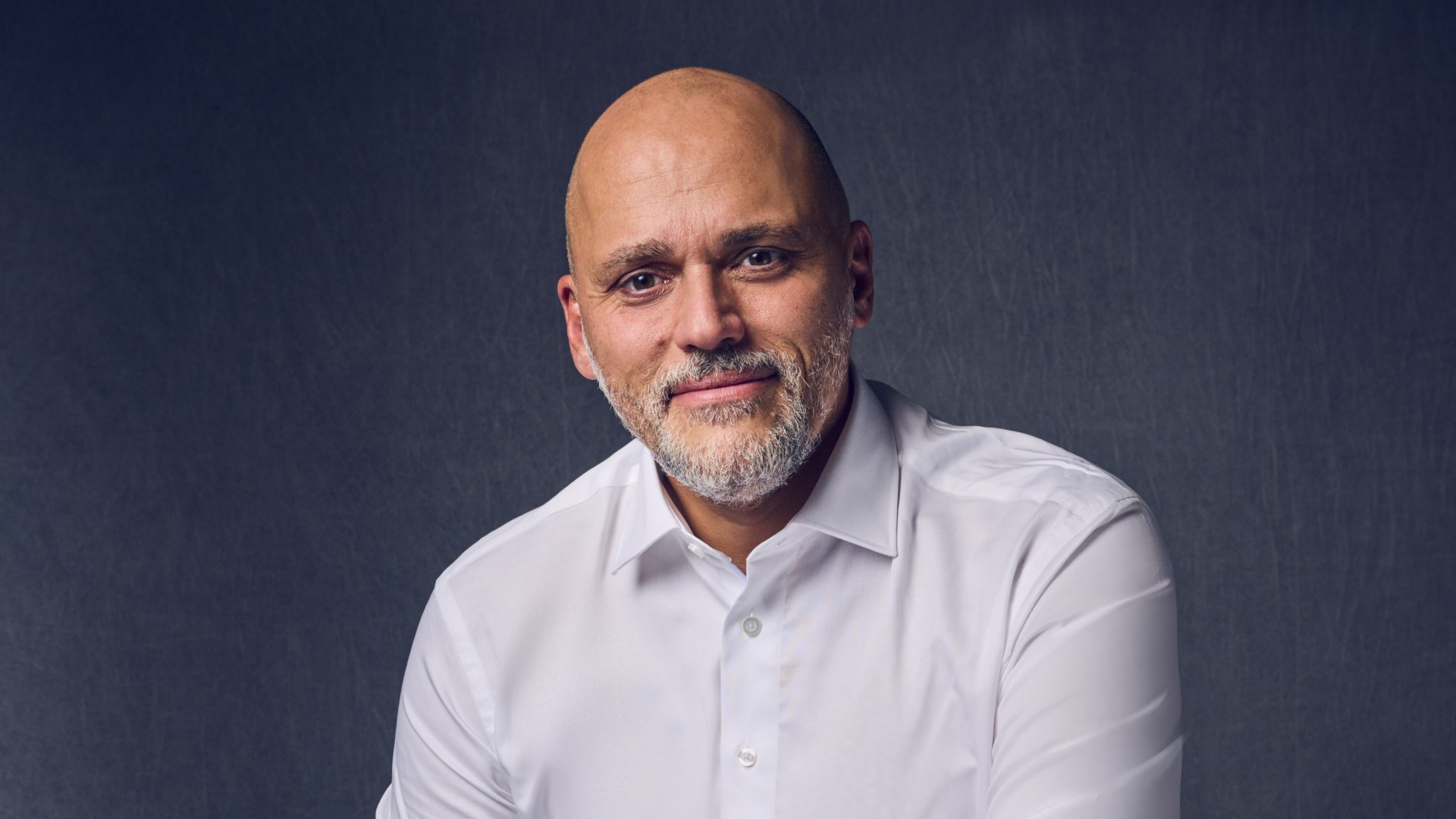
“Luxury brands must acknowledge the impact of technology advancements in the mobile space and find a humanistic way to connect and engage with their consumers through mobile,” says Milton Pedraza, CEO of Luxury Institute.
-
- 5 Apr 2012
What Pinterest Means For Luxury Brands
Pinterest is said to be the fastest-growing website ever, with over 17 million users visiting every month, but what concrete opportunities does the site present for luxury brands?
The current toast of digital integration is undoubtedly Pinterest, an image-based social network that allows users to organise and share things they discover on the Internet. The self-described Virtual Pinboard facilitates sharing from basically anything on the web, without the technical limitations of using single-system platforms like Facebook, YouTube, Wordpress or Twitter. Users are invited to discover those with similar tastes and better navigate the information-overloaded super highway.
“Before the internet, we used to browse beautiful things for free by roaming the aisles of shops, or cutting pictures out of old magazines and sticking them to the wall,” explains Julian Green. “Now we have Pinterest and a range of social curation sites that enable us to search for and pin gorgeous images to virtual boards, and then share them.”
-
- 8 Mar 2012
Luxury Timepiece Brands Using Craftsmanship in Video
The second in our series of listings, exploring how various luxury sectors are using craftsmanship and video to best express their savoir faire
When we first compiled a listing of Luxury Fashion Brands Using Craftsmanship in Video, it became very obvious, very quickly that leather goods, footwear and fashion films are driven by emotion and visual experience. Very few films in this first series had any kind of dialogue or narration. Almost none included spoken or written facts relating to the technicalities of production.
Timepiece videos – and indeed the products themselves – create far more technical communications challenges. The price and attractiveness of investing in Horlogerie has much more to do with mechanics, movements, metals and materials, than it does an essence, emotion or experience. Fashion and accessories have the luxury of being easy to understand visually, whereas the value of timepieces lies largely in elements that cannot be seen.
-
- 19 Jan 2012
Luxury Fashion Brands Using Craftsmanship in Video
The first in a series of listings, in which we examine how various luxury sectors are using craftsmanship and video to best express their savoir faire
“Customers are looking for something special,” London-based designer David Koma tells the Business of Fashion. "There’s a huge market for commercial brands so I feel if [customers] are buying something expensive and buying something special, there should be a lot of handwork and craftsmanship involved to make them feel that their money is well spent.”
A sentiment reinforced by The Luxury Institute, in its 2011 report Luxury Branding and Marketing: A Global Comparison of Wealthy Consumers in Top Markets. The study surveyed wealthy consumers in the United States, United Kingdom, France, Germany, Italy, Japan and China. Topping the list of attributes that define luxury brands were superior quality (73%), craftsmanship (65%) and design (54%).
-
- 2 Dec 2011
Chinese Outbound Tourist-Shoppers flock to Paris & New York
Avery Booker of Jing Daily reveals that group travel from China is now on the wane, as 72% of China’s outbound tourists look to individual “high-end” travel experiences.
Mainland Chinese consumers made more than half of their luxury purchases last year overseas. In fact, the growing presence of Chinese outbound tourist-shoppers is becoming a significant part of luxury retail, in major destinations like Paris, London and New York.
Member’s only private network, Affinity China, offers exclusive luxury lifestyle events and unique travel opportunities to its members as they travel beyond China. The group recently launched China Luxury Network (CLN), to provide global luxury brands with market intelligence, strategic advice and possibilities for engagement with China’s emerging luxury consumer, both inside and outside of the country.
-
- 27 Oct 2011
The Rise of Chinese Luxury Brands
Trevor Lai from Thoughtful China, speaks with Mary Ching founder Alison Yeung and Shang Xia’s Philippe Lamy, about the emergence of homegrown Chinese luxury brands.
As of the end of March 2011, China’s total consumption of luxury goods reached $10.7 billion, and the country now accounts for a quarter of consumption worldwide. As foreign luxury brands have come to recognise the importance of the market, they have rolled out stores in second, third and fourth tier cities on the Mainland, in a bid to capture the new luxury hungry middle class consumer.
China’s luxury retail is dominated by foreign luxury marketers, who have been fighting for growth in the mainland. Whilst they have certainly ruled luxury’s very infant past in the region, will brands like Shang Xia and Mary Ching have the ability to change the landscape in the future? Can local luxury brands provide the status that Chinese shoppers want? And finally, are westerners ready to accept a “made in China” luxury brand?